

Stop Buying Extended Warranties For Your Electronics - Do This Instead

Many electronics retailers offer an extended warranty when you purchase a new device or appliance. Best Buy, Amazon, and Costco all offer extended warranties on select products at an additional cost, just to name a few. These warranties are often marketed as a way to protect your investment by ensuring that you don't have to pay full price to replace your new toy if it's damaged, but in most cases they're not actually worth buying.
Instead of buying an extended retail warranty, it's better to shop around for products with excellent manufacturer warranties. For instance, some of the best laptop warranties provide up to three years of coverage at no extra cost. These built-in warranties typically provide comparable protection to those expensive retail plans, so there's hardly any reason for the average consumer to pay extra for coverage. There are also premium manufacturer warranties, but these can be a mixed bag.
Consumer Reports says Samsung Care+ is not always worth it for Android users. On the other hand, Apple fans might enjoy some of the surprising perks of AppleCare+. Extended warranties provided directly from the manufacturer are often preferable to those offered by third-party retailers, but even then, relying on the standard limited warranty is one of the more sensible decisions.
Invoke your consumer rights instead of buying a warranty
Another alternative to extended warranties is to simply tap into your consumer rights. Notably, the Uniform Commercial Code guarantees that products purchased in any state (except Louisiana) are protected by the "implied warranty of merchantability" (via Cornell Law School). This means that retailers automatically guarantee that their products are free of defects and "are fit for the ordinary purposes for which such goods are used." In some states, this implied warranty may protect your purchase for up to four years.
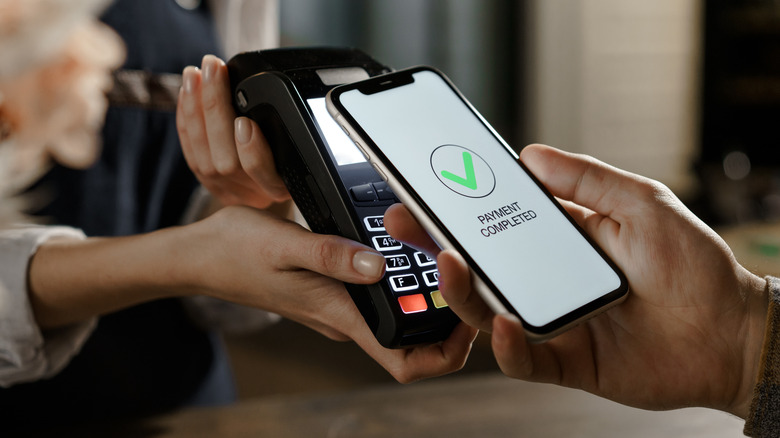
If you use a credit card to make a purchase, you might have additional consumer protection by way of the card's policy because most credit card companies extend a product's standard manufacturer warranty by one year or more. If your card offers this kind of perk, it will apply even if you use a digital wallet or payment app to make the purchase; just another reason why no one needs physical credit cards anymore.
As a consumer, you also have the right to take advantage of a retailer's return policy. These typically don't extend beyond 90 days, even on the high end, but it's something that can protect you during the critical early days of a purchase without needing an expensive warranty. Any "risk-free" return policy should allow you to bring back the product for any reason, so there's no need to worry about whether or not your situation is applicable to the policy.
When DIY repairs are more practical than a warranty

Why bother with a warranty if you know you can fix your electronics yourself? That may sound like a tall order, but there's a DIY repair trend that could replace repair shops in the future. Websites like iFixit provide guides on how to repair tech with your own two hands, and iFixit even ranks products based on how easy they are to fix and how replaceable their components are. One pair of wireless headphones has a perfect iFixit repairability score because anybody can fix them with just a few simple instructions.
Shopping around for electronics with repairability in mind can help you save a lot of money on extended warranties. That being said, extended warranties aren't always a rip-off; some tech is just inherently too complex to be fixed by anyone other than a trained professional. But when you have the knowledge and resources to pull off a DIY fix, you can put one of the biggest tech repair myths to rest by restoring years of life to your damaged electronics.