

$799 iPhone 17 Will Be A Nightmare For Android Next Year
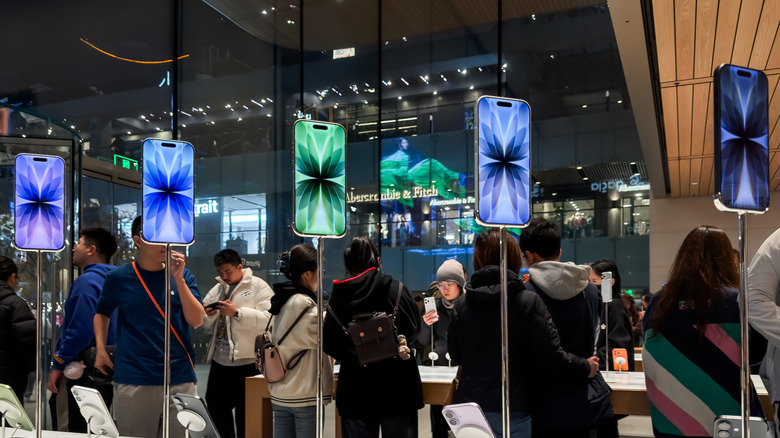
Apple launched the iPhone 17 series in mid-September, with three of the four models selling out soon after preorders began, starting with the iPhone 17 Pro Max. Nearly two months later, two iPhone 17 models are still sold out online, with the $799 iPhone 17 seeing longer delivery estimates than the Pro Max, an unexpected development for the base model. With that in mind, a new report from Counterpoint Research indicating that an iPhone was the best-selling smartphone of Q3 2025, or the September quarter when Apple launched the iPhone 17 series, shouldn't be surprising. However, it's not an iPhone 17 variant topping the list.
Instead, the standard iPhone 16 that launched a year prior took the top spot. Counterpoint Research's findings show that Apple and Samsung each had five phones in the top 10 best-selling phones of Q3 2025, but it's hardly a tie. None of Samsung's 2024 or 2025 flagships are in the top 10: Only the mid-range Galaxy A-series devices are on the list. Samsung's best-placed phone is the Galaxy A16 5G model, in fifth place. Four iPhone 16 models took the first four places: iPhone 16, iPhone 16 Pro, iPhone 16 Pro Max, and the iPhone 16e. The iPhone 17 Pro Max, available to buyers for only a couple of weeks in the quarter, placed 10th.
The top 10 best-selling smartphone list of Q3 2025 almost mimics last year's rankings for the same period. At the time, the base iPhone 15 was the best-selling iPhone, followed by the iPhone 15 Pro Max, and the regular Pro. Samsung had five phones on the list, including the base Galaxy S24 model, which placed 10th.
iPhone 17 is a massive upgrade
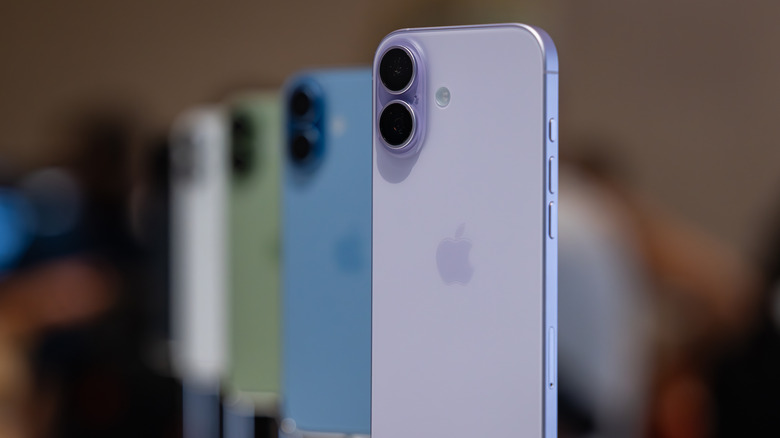
Counterpoint Research said that the top 10 phones of Q3 2025 contributed 20% of the overall global smartphone sales volume for the period. The iPhone 16 had a 4% volume share, enough to give the handset the first place for the third consecutive quarter. The iPhone 16 starts at $799, the price point Apple kept in place for the base iPhone 17 this year. For most of Q3, the iPhone 16 started at $799. Apple dropped the price by $100 when it introduced the iPhone 17 series. The iPhone 16 sold for $699 for most of September. Samsung's best-placed Galaxy A phone retailed for under $200 in India. The Galaxy A36 starts at $399, while the A56 starts at $499.
iPhone critics often pointed out the shortcomings of the cheapest iPhone. For years, the base iPhone shipped with a 60Hz display, while competing Android phones had higher refresh rates. The iPhone 16, with its 60Hz display, still sold better than those competitors. This year, its successor got a massive upgrade, which explains why the standard iPhone 17 is such a hit with consumers.
The $799 phone features a 120Hz display identical to the iPhone 17 Pro's screen. It also features 256GB of storage, double the flash memory of the iPhone 16. If the iPhone 16 was the world's best-selling phone in Q3 2025, it's very likely the iPhone 17 will follow in its predecessor's footsteps. This time around, iPhone critics can't call out Apple for underwhelming specs in the iPhone 17.
Why Android vendors will struggle in 2026
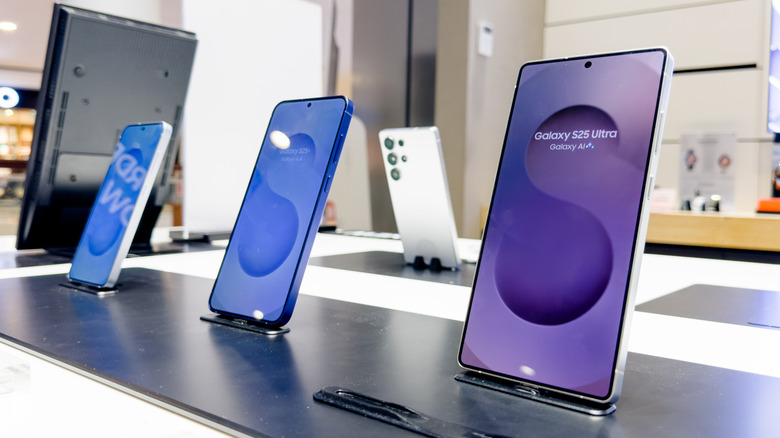
Going into 2026, it will be incredibly difficult for Apple's rivals to match the iPhone 17, though some may try. It's not because they can't come up with great alternatives to the iPhone 17: After all, Android phones already offer 120Hz displays, good specs, and decent cameras. Google's $799 Pixel 10 is a good example.
Paradoxically, it's AI that will make it harder for Android vendors to compete, even companies like Samsung, which uses the Galaxy AI platform as a differentiating factor to sell new devices. The race to build massive AI data centers is driving up costs for key components, including RAM and storage. Android vendors may be forced to raise prices, as the crisis directly impacts chips made for mobile devices. In this context, recent reports said Samsung was so shocked by the $799 iPhone 17 that it had to redesign the base Galaxy S26 model to ensure it can hit the same price point.
The iPhone 16's sales dominance shows that buyers are ready to pay premium prices for a phone with worse specs than cheaper or same-price Android alternatives. Should Apple discount the base iPhone 17 to $699 next September when the iPhone 18 series launches, the phone will be an even bigger threat to Android vendors. The price cut is not guaranteed considering the base iPhone 18 isn't expected to launch until spring 2027.