

6 Ways Android Phones Will Change In 2026
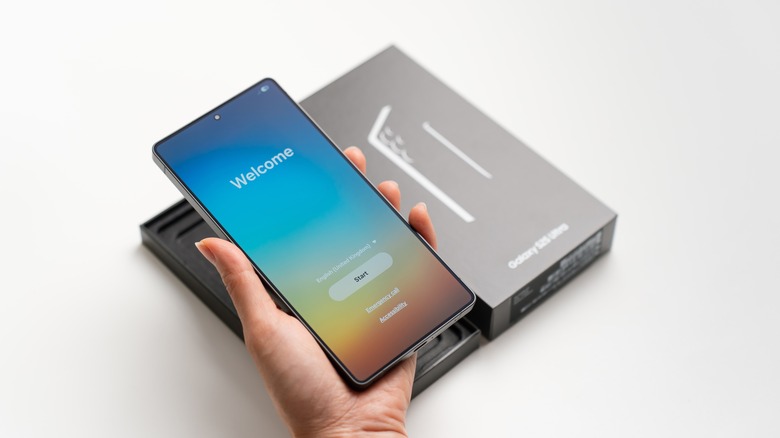
The beginning of 2026 has already put at least three new Android phones in the spotlight. Two of them were present at CES 2026, the surprise BlackBerry-style Clicks Communicator and Samsung's Galaxy Z TriFold, which was technically unveiled in December in Korea. Then, Honor launched the Magic 8 Pro globally, one of the first candy bar flagships of 2026, though the handset was launched last year in China. As 2026 gets underway, we'll see more Android phone releases, including the Galaxy S26 series that's rumored to launch in February.
Artificial intelligence will continue to be a major selling point for Android handsets in 2026. While AI is an obvious trend for 2026, given that smartphone vendors have started preloading AI features on phones since early 2024, it's not the only one. 2026 could see more Android phones adopt higher-capacity silicon-carbon batteries. Foldables may see a resurgence this year, partly powered by Apple's first foldable. Also, 2026 will bring users the Android 17 update and a richer ecosystem, which may include Android PCs and Android XR devices.
But before we discuss the main ways Android will change in 2026, we have to address the ugliest emerging trend for new Android hardware: Phones may be more expensive this year than expected. Paradoxically, the price hikes are related to the free AI features that vendors push on users. Sophisticated AI tools require cloud processing, or a massive infrastructure. AI firms are developing datacenters aggressively, and they're using memory and storage components that serve the mobile market. Suppliers end up raising prices for these key parts, and smartphone vendors will have to pay more to secure the RAM and flash storage they need. Those costs may be passed on to consumers in some cases, including buyers who are looking for cheaper devices.
The RAM and storage squeeze
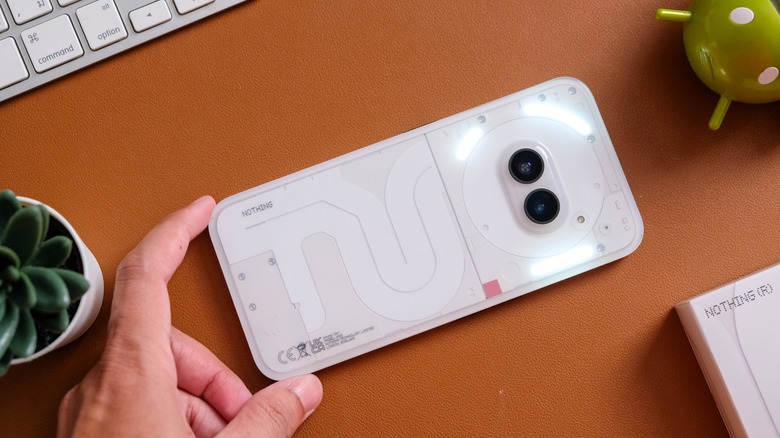
Reports in the final months of 2025 mentioned three smartphone components that will cost more in 2026: the high-end chips, the RAM, and the storage. The last two are the parts directly related to the AI datacenter boom. Reports claimed that smartphone memory prices may have increased by 50% last year, and prices will continue to go up. Some smartphone vendors may be better shielded than others. For example, rumors claimed that Apple has secured RAM from Samsung's semiconductor division to ensure the iPhone 18 series has a steady supply of 12GB modules. On the other hand, Samsung failed to obtain preferential RAM pricing for the Galaxy S26 series from its own chip division.
The RAM price increase may lead to vendors limiting memory upgrades for consumers. Smartphone vendors may stick with 12GB RAM instead of bumping it to 16GB, according to IDC. TrendForce estimates that mid-range handsets may top out at 8GB of RAM instead of 12GB. Entry-level devices may be hit the hardest, as they'll either cost more or ship with 4GB of RAM instead of 8GB. Flash storage is also being gobbled up by AI datacenters. As a result, some vendors may either postpone storage upgrades or reduce higher capacity models. While many flagship phones start at 256GB of storage, not all of them will necessarily go beyond 512GB of flash memory. Price hikes related to NAND storage may also be in order.
"The industry's decade-long trend of democratizing specs by bringing flagship features to affordable smartphones is reversing," IDC said in a late December analysis. Android vendors including TCL, Transsion, Realme, Xiaomi, Lenovo, Oppo, Vivo, Honor, or Huawei may be among the companies that increase prices this year.
Massive battery life... finally?
Chinese Android vendors introduced silicon-carbon batteries a few years ago, but the technology was only used in devices sold in China. Silicon-carbon batteries let smartphone makers increase the battery capacity without increasing the thickness of the handset. They're higher density batteries, featuring 10% silicon in the anode, with that percentage increasing.
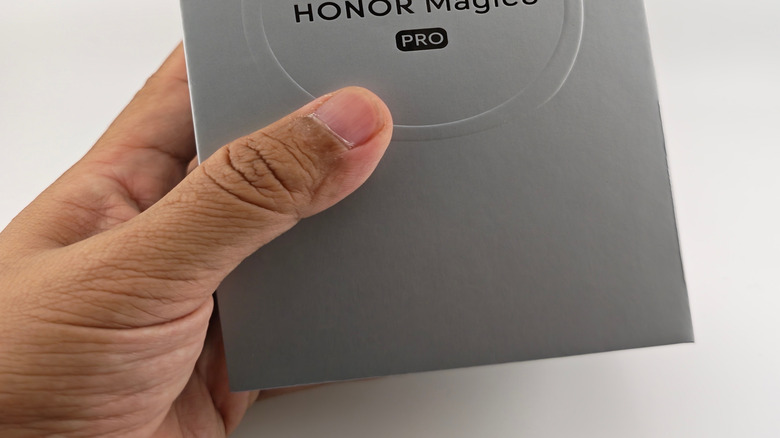
The battery capacity is also increasing, with the Chinese version of the Honor Magic 8 Pro featuring a massive 7,200 mAh battery. The global variant launched last week features a slightly smaller 6,270 mAh battery, but it's still a silicon-carbon model that supports 100W wired and 80W wireless charging. It's also larger than the Galaxy Z TriFold 5,600 mAh battery. 2026 may be the year when silicon-carbon batteries go mainstream, increasing their global footprint. The first phones with 8,000 mAh batteries may be just around the corner.
It's unclear whether Samsung will use silicon-carbon batteries in its Galaxy S26 flagship phones, or the upcoming Galaxy Z Fold 8 models. However, rumors indicate the Galaxy S26 series will bring two battery innovations. The Galaxy S26 Ultra may support 60W wired charging, a notable increase from the current 45W standard. Also, Samsung may finally embrace "MagSafe" charging on the Galaxy S26, or the Qi2 wireless standard that enables 25W wireless charging. Google's Pixel 10 series introduced magnetic charging last year, a sign that one of the features most iPhone users take for granted may be available more broadly on Android.
The foldables rejuvenation
We can't discuss the 2026 Android trends without mentioning Apple. Android and iOS influence each other directly, with Android vendors adapting features from Apple and vice versa. MagSafe is one example of how iPhone design may influence Android phones in 2026, but it's not the only one. Apple is widely rumored to introduce the iPhone Fold in September, its first foldable phone. While the handset will launch after the Galaxy Z Fold 8, Apple is expected to deliver at least two big innovations.
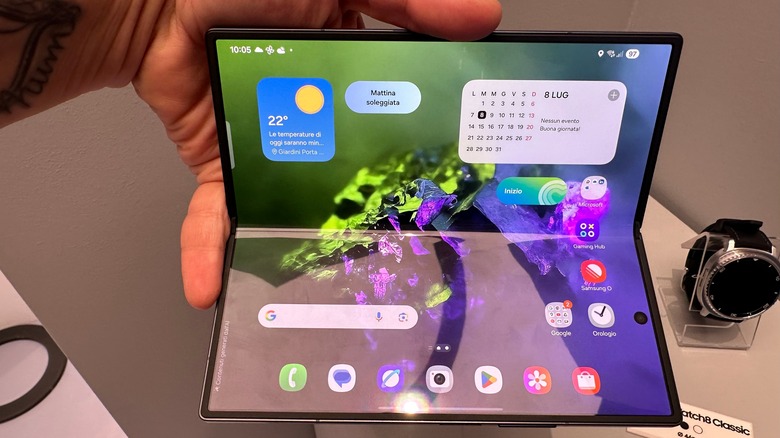
First, the crease that appears in the middle of the display may disappear. Samsung Display, the rumored panel supplier for the iPhone Fold, showcased a creaseless foldable display at CES 2026, prompting speculation that Samsung was showing off the screen technology the iPhone Fold may use. The Galaxy Z Fold 8 could also feature a creaseless display this year.
Also, Apple's iPhone Fold may be a book-style foldable like the Galaxy Z Fold, but it won't have the same aspect ratio. The phone is rumored to be shorter and wider, which may deliver an iPad-mini-like experience when the handset is unfolded. Samsung is already rumored to make a wider version of the Galaxy Z Fold this year. Other Android phone makers have used that design in the past, but Samsung resisted adopting it. The iPhone Fold may change all that. Design rumors aside, the iPhone Fold's arrival is seen as a catalyst for the industry. IDC said last month that foldable smartphone shipments will grow 10% in 2026, with the foldable iPhone being the key product that will "boost category awareness and drive consumer interest."
Artificial intelligence and Android 17
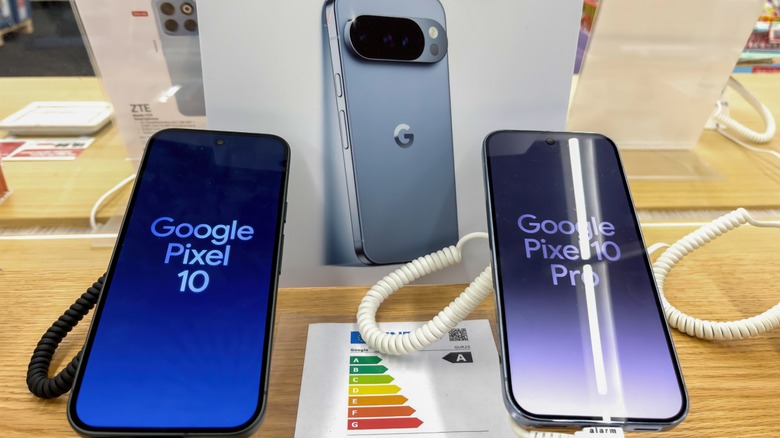
The more expensive chips, like the Snapdragon 8 Elite Gen 5, will power new AI features, including AI agents. The Honor Magic 8 Pro is one of the first Android phones to run on Qualcomm's latest processor and offer advanced AI functionality. For example, users can interact with an AI Photos Agent by voice to perform photo edits. An AI Settings Agent powers phone management. Users can issue voice commands to manage settings rather than going to the app. Samsung is rumored to hold a Galaxy S26 launch event in San Francisco in late February because Galaxy AI will be a focal point of the show. Samsung may also debut AI agents of its own.
Powering some of these devices are Google's Gemini models, with Honor acknowledging the integration of Gemini AI in the Honor Magic 8 Pro. Google will likely add even more Gemini-powered capabilities to its products, Android included. The Pixel 11 series, due this summer, will likely debut with exclusive Gemini features like their predecessors.
While AI will continue to be Google's main priority across platforms and apps, Google will also pack several new features in Android 17, which is due later this year. Early leaks have already mentioned some of Android 17's rumored features. The list includes Material 3 Expressive support for non-Pixel devices, Lock Screen widgets, expanded dark mode, customizable keyboard shortcuts, AI improvements to notifications, and built-in parental controls. App sideloading may also see some changes this year, including new warnings about installing apps from outside the Play Store, and a developer verification process. Additionally, Google may introduce a Registered App Store certification for third-party Google Play alternatives.
Android PC and Android XR
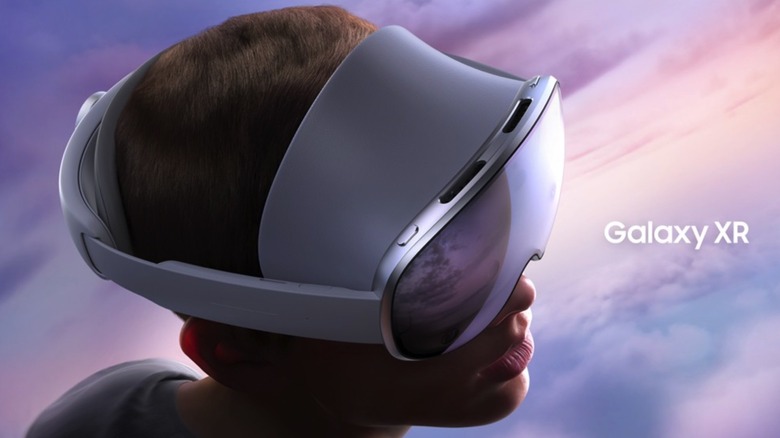
Android isn't just about smartphones, as Google unveiled the Android XR platform in late 2024, an AI-first operating system for smart glasses and spatial computers. Samsung launched the Galaxy XR last year, an Android XR device similar to the Apple Vision Pro. Google demoed Android XR glasses at I/O 2025, teasing the arrival of Android XR smart glasses. The hardware may start shipping in 2026, including smart glasses that feature built-in displays and Project Aura. Android XR devices work in tandem with Android phones, which power the Gemini experiences.
Google is also revamping its Chrome OS ecosystem. The company plans to merge ChromeOS with Android and create new lines of products running an Android-based operating system called Aluminium OS. This operating system will have AI at the core and will let Google offer various PC experiences, including Premium hardware that will compete directly against Apple's MacBook Pro. But buyers won't necessarily have to buy an Aluminium OS laptop to enjoy an Android OS experience. Google has been developing its Desktop Mode for Android that's similar to Samsung DeX. Announced for Android 16, Desktop Mode may make a bigger splash this year after the Android 17 release. The Galaxy Z TriFold is one device that features a unique desktop mode via the DeX functionality when unfolded.