

Ranking 7 Major Smart Speaker Brands From Worst To Best, According To Consumer Reports
Smart speakers are relatively new pieces of technology, so manufacturers are still jockeying for position on who takes the crown as the best smart speaker brand. If you're planning to buy one of these helpful devices, consulting the reviews of Consumer Reports is an excellent way of determining brand rankings in this fledgling industry.
Smart speakers are usually powered by one of either Google Assistant (which is being replaced by Google Gemini), Amazon's Alexa, or Apple's Siri. The abilities of these voice assistants are an entirely different comparison, so this roundup will only focus on the features of the smart speakers themselves; including their sound quality, versatility, and ease of use.
We gathered the scores received by the current models of each smart speaker brand from Consumer Reports and we used those to determine their rankings. To further showcase the strengths and weaknesses of each brand, we highlighted each brand's product which received the highest score from Consumer Reports and supported those points with reviews from other reputable websites.
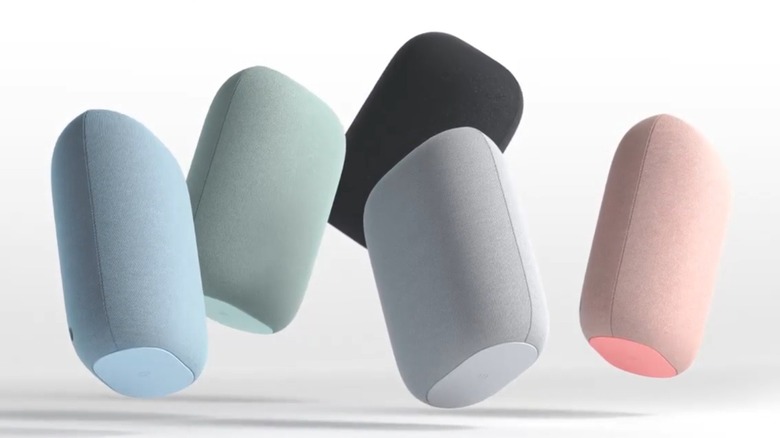
Google made Google Assistant and Google Gemini, but it's at the bottom of the list of smart speaker brands according to scores from Consumer Reports. The Google Nest Audio and the Google Nest Hub Max are tied as Google's top-rated smart speakers with a middling score of 63 from Consumer Reports. They're also the smart speakers with the lowest score among all the models featured in this roundup. Google's average score was pulled down by the Google Nest Hub (2nd Gen) and the Google Nest Mini (2nd Gen), which is the lowest-rated current-generation smart speaker on Consumer Reports at 44.
The Google Nest Audio launched in 2020, but is only capable of generating enough volume for a mid-sized room, according to Consumer Reports. What Hi-Fi? echoes this concern, claiming the smart speaker's sound is lacking in weight and punch, while TechRadar said that while it works well as a smart speaker, the device fails to deliver in terms of sound quality improvements from its predecessor. The Google Nest Hub Max, meanwhile, was launched in 2019. It's equipped with a 10-inch display and a camera that enables controls through gestures, though CNET calls out the lack of a privacy shutter and the issues involved when using it with some supported services.
There's some good news, though. These older models of Google smart speakers will still be supported even with the transition from Google Assistant to Google Gemini even after the announcement of a refreshed Google Home speaker.
Amazon
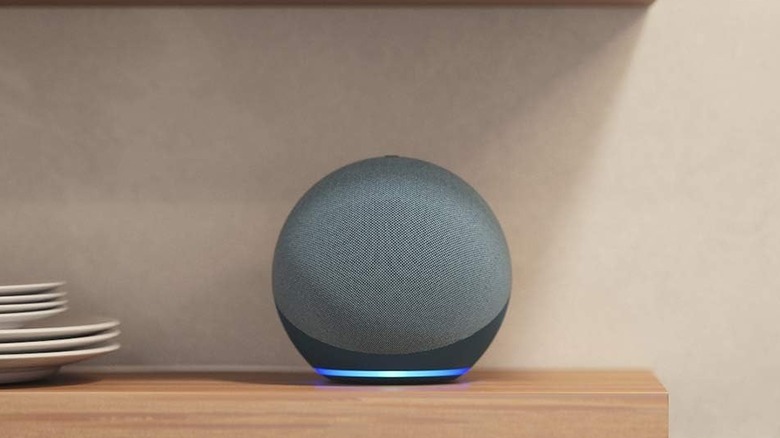
Amazon popularized smart speakers with Alexa and the original Amazon Echo in 2014. Unfortunately, that history doesn't translate to high scores from Consumer Reports, with Amazon just barely beating Google in this ranking. The Amazon Echo (4th Gen) has a slightly higher score than the Google Nest Audio and the Google Nest Hub Max at 65, but the Amazon Echo Show 5 (3rd Gen) and the Amazon Echo Pop have lower ratings that pulled down the brand's position (55 and 51, respectively). In fact, the Amazon Echo Pop has the third-lowest rating from Consumer Reports among all smart speaker models.
The Amazon Echo (4th Gen) is the only model that received a perfect score in versatility from Consumer Reports. However, its departure from the cylindrical design of its predecessors means it takes up more room, as pointed out by Wired, which also mentioned the device has trouble listening to voice commands while it's playing music. It has excellent support for Alexa, but the device has insufficient bass and volume, according to Rtings.com.
Apple
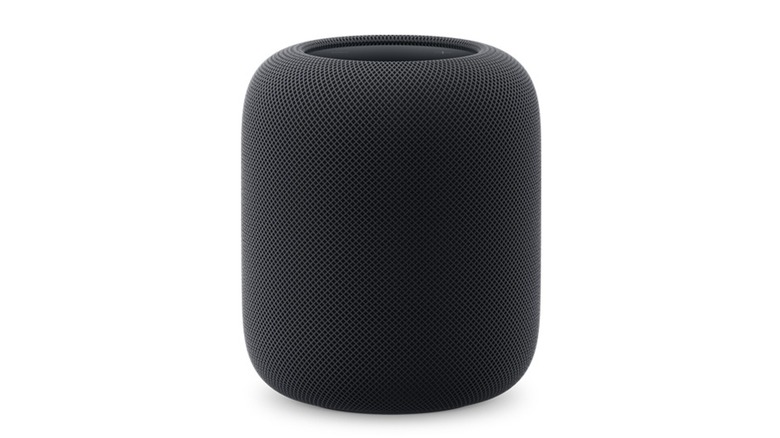
It's somewhat surprising that the brands behind the three most popular digital assistants are at the bottom spots of this ranking, with Apple squeaking past Google and Amazon by the slimmest of margins. The Apple HomePod (2nd Gen) is the smart speaker with the highest score (66) outside of the models made by the top two brands in this ranking, but Apple dropped in the standings because the Apple HomePod Mini received the second-lowest score (50) among all models reviewed by Consumer Reports.
The Apple HomePod (2nd Gen) exceeded expectations in our review, but our recommendation is to get two of this smart speaker. They work so much better as a pair, enabling spatial audio and Dolby Atmos. However, this only amplifies one of the negatives in PCMag's review, namely the fact that the device is expensive. Additionally, the Apple HomePod (2nd Gen) is limited by the lack of Bluetooth and physical buttons, while you'll need to be heavily invested in the Apple ecosystem to maximize it, according to Forbes.
Devialet
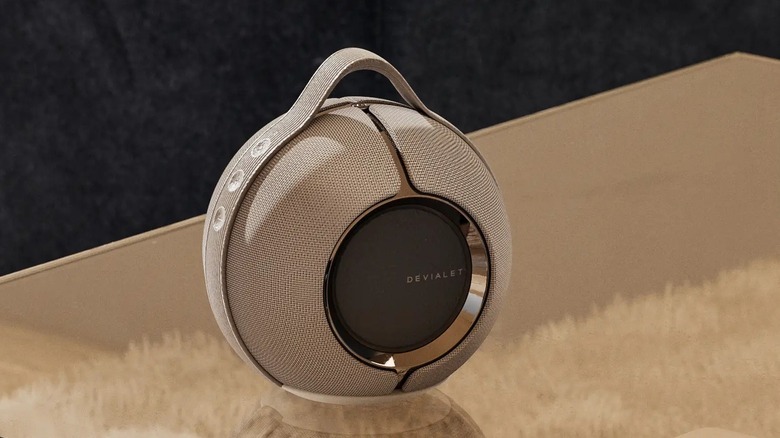
Devialet, a French audio technology company, isn't as popular as the three brands at the bottom of this ranking. The Devialet Mania, which offers 360-degree stereo sound, is its only device reviewed by Consumer Reports, but the Alexa-powered smart speaker's score (63) matches up to the highest-rated models of Google, Amazon, and Apple. With no low-scoring models to pull it down, Devialet vaults ahead of these giant tech companies.
At $900, the Devialet Mania is the most expensive smart speaker featured in this roundup. The luxury device is extremely stylish while providing clear sound and punchy bass, according to Trusted Reviews. Its top-notch sound quality and bass were also noted by Tom's Guide, alongside its real-time adaptive technology that allows it to make adjustments to its output depending on its surroundings. However, both reviews pointed to its expensive price as a glaring negative as it's too much for most people who are planning to buy a portable speaker.
Bose
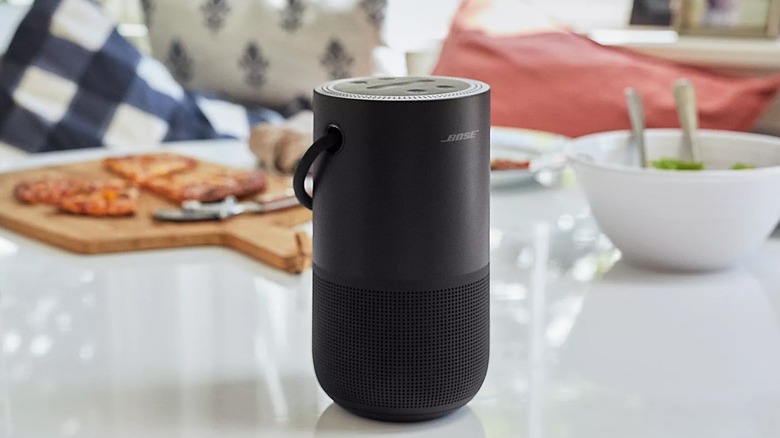
Bose speakers and headphones are always among the best in the audio industry. However, like Devialet, it only has one smart speaker that received a review from Consumer Reports — the Bose Portable Home. With a score of 65 and no other models with lower scores to pull it down, Bose entered the top three of this list. The device works with both Alexa and Google Assistant, and it can function as a Bluetooth speaker when it's not connected to Wi-Fi.
The Bose Portable Home is lightweight and portable, but it offer impressive bass and durability with its IPX4 rating, according to SoundGuys. However, the review also pointed out that the smart speaker has a limited selection of streaming services. The Bose Portable Home was able to make the cut for CNET's list of the best Bose speakers anyway, where it's tagged as the best portable Bose speaker with Wi-Fi and Bluetooth because of its quality sound, attractive design, and a battery life that lasts up to 12 hours from a full charge.
JBL
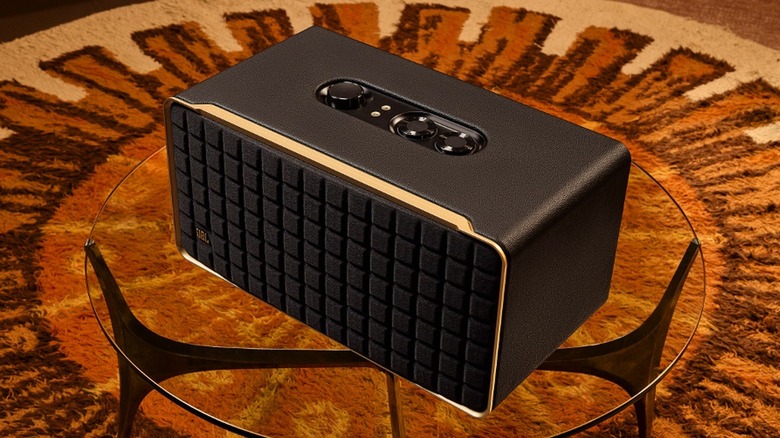
JBL speakers are known for their sound quality and versatility, and these qualities extend to its smart speakers. Consumer Reports reviewed three devices by the brand, and impressively, they all scored higher than every other model made by those below JBL in this ranking. They're headlined by the JBL Authentics 500, which received Consumer Reports' second-highest score (73) for smart speakers. However, at $750, it's also the second-most expensive device featured in this roundup after the Devialet Mania.
The JBL Authentics 500 features a retro design, virtual Dolby Atmos, and automatic self-tuning that calibrates its performance according to its location. It supports both Alexa and Google Assistant, which is one of the pros of the device in PCMag's review along with its capability for multi-room audio. Meanwhile, in a review that highlighted the smart speaker's audio output of 270 watts (which means it can get very loud) and its fantastic sound quality, 9to5Google believes that its high price tag is worth it.
Sonos
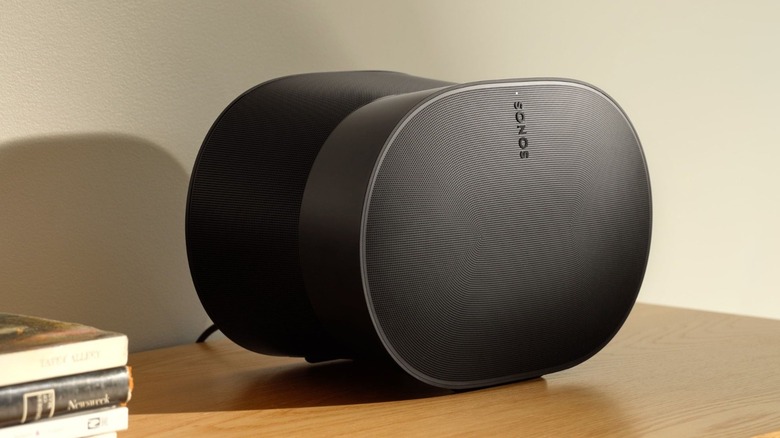
Sonos caps off a trend in this ranking of smart speaker brands which places audio companies over tech firms. There are three Sonos devices with reviews from Consumer Reports and their ratings were good enough to beat JBL for the top spot. The Sonos Era 300 secured the highest score (74) from Consumer Reports, with perfect marks on ease of use and the title of the best-sounding smart speaker.
The Sonos Era 300 is part of the Sonos Ultimate Immersive Set, which is one of the best home theater systems for cinephiles, and it brings that quality into its functions as a smart speaker. You can use it with either Alexa or Sonos Voice Control, the brand's own digital assistant, but not Google Assistant. That's one of the few disadvantages of the device identified by The Guardian, which praised its high-quality sound, spatial audio, and wide support for music services. Wired didn't like its angular design, but loved the same things as The Guardian along with the smart speaker's multi-room and multi-channel potential.
How we ranked these smart speaker brands
To determine the ranking of these seven major smart speaker brands, we gathered the scores of all their current models that have been reviewed by Consumer Reports. We calculated for the average score for each brand using these ratings and ranked them according to the results.
To further support our selections, we highlighted the top-rated model for each brand according to Consumer Reports. We listed their top features and rounded up professional reviews from other reputable websites with the goal of providing a clear snapshot of the capabilities of each smart speaker brand.