

5 Of The Best Wireless Hi-Fi Headphones For Perfect Audio At Home

We may receive a commission on purchases made from links.
To experience pristine audio, it's no longer necessary to tether yourself to bulky, heat-generating amps or sound systems with messy cords all over the place. Wireless audio technology has advanced to a point where high-fidelity sound can be enjoyed without so much as thinking about audio jacks. With high-bitrate codecs becoming prevalent in wireless audio, listeners can now enjoy the subtle details of high-resolution audio from wherever they are. When it comes to wireless headphones, there are plenty of cool options — but for those who prefer wired gear no matter what, there are just as many top-rated wired headphones to choose from.
Deciding on the right pair of wireless Hi-Fi headphones for you largely depends on the kinds of audio experiences you value the most, whether that's picking apart the complex instrumental layers of classical symphonies, feeling the raw chugs of heavy metal chord progressions, or immersing yourself in gaming sessions or movie nights. We've looked at some of the top over-ear wireless headphones for several use cases (and at slightly varying budgets) to help users choose the ultimate pair to complement their audio playground, but be warned: there are a number of Bluetooth headphones that audiophiles should steer clear of.
Any good pair of wireless Hi-Fi headphones should have a balance of sonic clarity, reliable connectivity, and long-lasting physical comfort, but some pairs are better than others for certain use cases. To ensure a truly Hi-Fi roundup, we only highlighted products that support high-bitrate audio or premium audio codecs like AAC, LDAC, or aptX Adaptive (but do keep in mind that the latter two codecs won't work wirelessly with iOS or iPadOS devices). We also prioritized products that are comfortable to wear for hours on end. No need to waste time worrying about buying the wrong headphones for what you want — here are five Hi-Fi options that cater to different types of listeners.
For metal fans: Heavys H1H
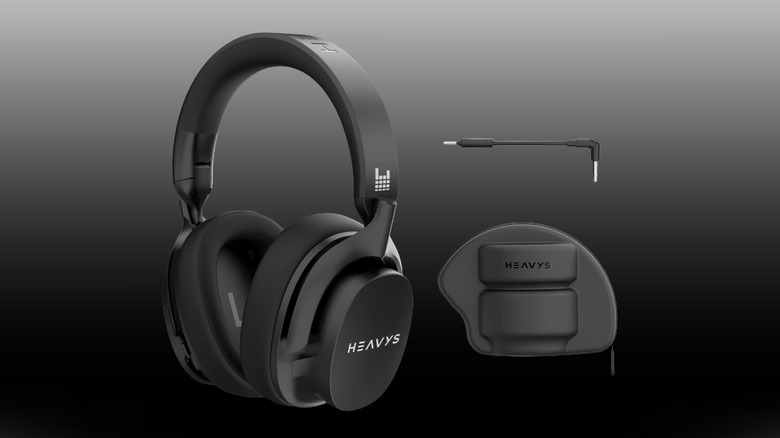
If you're used to hearing chugs and double-bass drums through Hi-Fi sound systems, basic consumer-grade headphones often disappoint due to their limited driver outputs. However, the Heavys H1H headphones (normally $299, but known to go on sale for $264) tackle this issue by throwing out the single-driver design in favor of using eight separate drivers — four inside each earcup — engineered specifically to reproduce the deep sounds of heavy, percussive music genres. This AAC and aptX Adaptive-compatible system routes lows and mids through two drivers, while the other two dedicated tweeters manage the highs. Separating acoustic frequencies in this fashion prevents the muddy, mashed up sound that's common to standard headphones, especially at high volumes.
With their unique design, listeners can experience a massive, well-projected soundstage that mimics the sound of live music, all the while preserving individual instrument separation and clarity. This more than does justice to intricate albums like Metallica's classic 1988 record, "...And Justice For All." Heavys also packed 50 hours of battery life into the H1H headphones, so it can handle a few days' worth of listening marathons on just one charge. It also features a specialized, proprietary ANC system called "Hellblocker," which blocks out household background noise without compressing audio, making them noise-canceling headphones that actually work.
As a metal fan, these are hands down the best headphones I've personally used, and they're my trusted companion for listening to all kinds of heavy music. They're comfortable despite their hefty size, and their unique driver positioning lends them a mosh pit's worth of clarity and low-end frequency response. They aren't neutral at all, which is great for me — I like to feel my music, from the beatdown at the end of Pantera's "Domination" to the spider riff in Metallica's "Master of Puppets." For when the kids are sleeping, I use them with my Neural DSP Quad Cortex and Quad Cortex Mini guitar modelers to really accentuate the beefy chugs I'm looking for.
For music and gaming: SteelSeries Arctis Nova Pro Omni
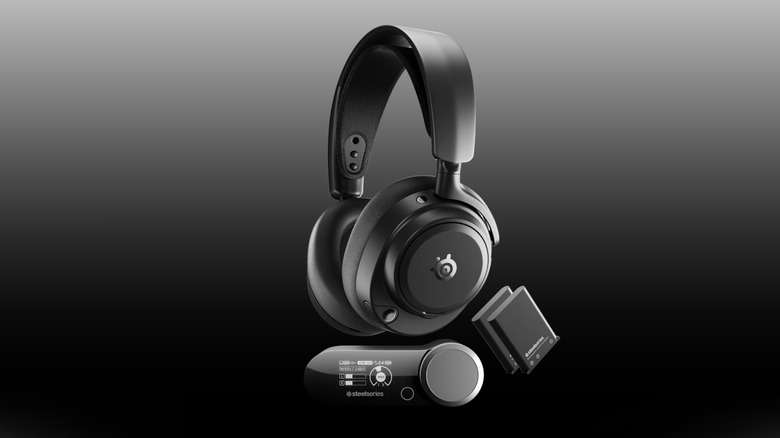
More and more people are using Hi-Fis, surround sound systems, and even studio monitors in their gaming and TV setups, but high-performing wireless headphones become essential when noise levels have to stay down. Equipped with the low-latency, high-res LC3+ codec, the $399 SteelSeries Arctis Nova Pro Omni headphones address this need by acting as a versatile centerpiece in a user's home entertainment hub. They can pair with multiple devices and game consoles simultaneously through their hub's three USB-C ports, plus its line-in and line-out 3.5 mm ports, giving users plenty of connectivity options.
I've been using the Arctis Nova Pro Omnis alongside two 8-inch KRK Kreate monitors hooked up to my Neural DSP Quad Cortex guitar modeler, which serves as the amplifier for both my MainGear Rush gaming PC and my Nintendo Switch 2. I speak from experience when I say they handle detailed audio beautifully, thanks in large part to their high-resolution 24-bit/96 kHz audio output. With 360-degree spatial audio support, the headphones also deliver a clean stream of sound that highlights subtle textures in everything from electric guitars to footsteps in "Fortnite."
The headphones are comfortable, too, even during long listening sessions. SteelSeries used a flexible suspension headband to balance the weight of the cups on your head, thereby preventing pain and discomfort. The company also shipped the device with two separate hot-swappable batteries: one to power the headphones, the other to keep charged for when the current battery runs out.
For budget Hi-Fi audio: OneOdio Studio Max 2
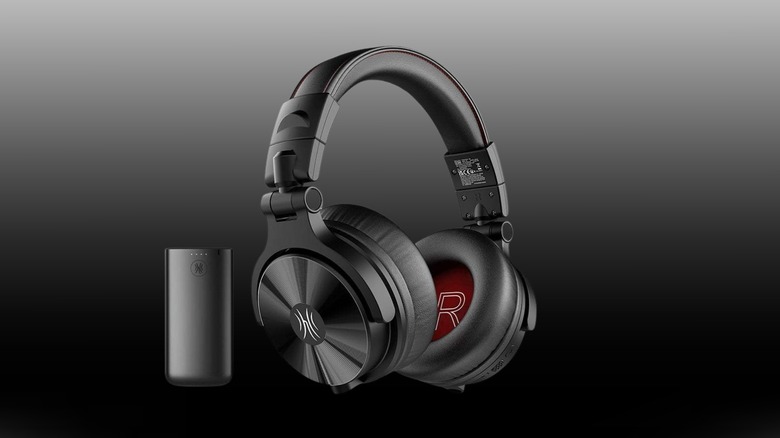
For those who want to experience premium features without breaking the bank, the OneOdio Studio Max 2 headphones are all about bringing advanced wireless audio tech down to the relatively affordable price point of $189.99. These headphones have full compatibility with the high-bitrate LDAC codec, which transfers data at 990kbps, offering nearly three times the detail of the standard Bluetooth SBC codec found in many wireless headphones.
The Studio Max 2s have a large 45mm dynamic driver in each earcup, resulting in a full-bodied sound profile. OneOdio collaborated with electronic music producer KSHMR to tune the audio signature, creating a solid bass response that adds discernible energy to electronic tracks, hip-hop music, and orchestral scores. As a result, lows can feel aggressive on certain tracks at times, but the overall balance is nonetheless a great experience.
The design is slightly different from that of traditional wireless headphones; it features both 3.5mm and 6.35mm input jacks directly on the earcups. This allows users to plug straight into mixers or instruments without having to buy additional adapters. However, even if you were to use the headphones' wireless functionality exclusively, you'd be able to enjoy a formidable 120 hours of continuous playback from a single charge. You may feel the need to adjust them now and again during long listening sessions, but overall, their soft earcups feel gentle and light on the head.
For precise, balanced tuning and multi-room integration: Sonos Ace
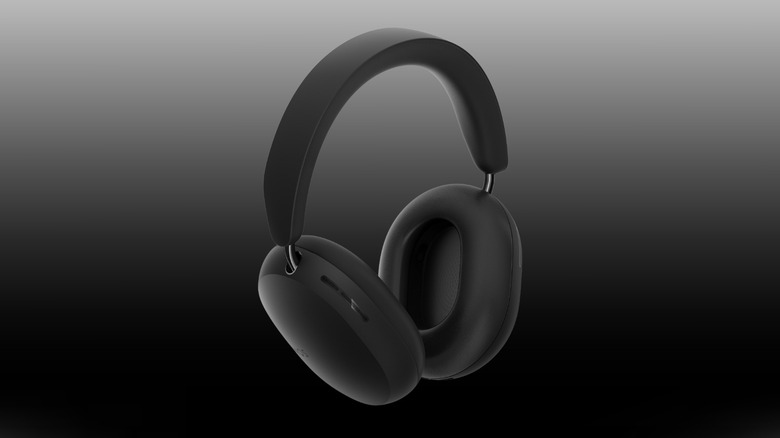
If your multi-room Hi-Fi sound system (or soundbar) is already baked into a specific brand ecosystem — in this case, Sonos — you'll more than likely want a set of wireless headphones that can take advantage of the synchronization features you've already paid for. Retailing at $399, but sometimes available for $299, the Sonos Ace is the brand's first step into the high-end headphone space.
With these headphones, the brand emphasized balanced custom tuning, including dual custom-designed 40-mm drivers that come together to minimize distortion. Even though the foam earcups create an excellent seal for blocking out distractions, the Sonos Aces are also noise-cancelling headphones. Pair that with aptX Adaptive lossless audio support, and you've got a solid headset that even audiophiles can enjoy.
Vocals present clearly on the Aces, and they have a flat yet remarkably accurate frequency response that delivers audio mixes as the engineers intended them to sound. However, these wireless headphones shine the most when you integrate them into an existing Sonos ecosystem. With sync features available at the press of a button, users can swap their TV's audio tracking straight from a Sonos soundbar to the Aces. The headphones also support Dolby Atmos spatial audio and dynamic head tracking, a feature that reconfigures 3D audio based on your real-life movements, thereby producing shifting soundscapes that move along with you.
For extended ANC listening: Sennheiser Momentum 4 Wireless
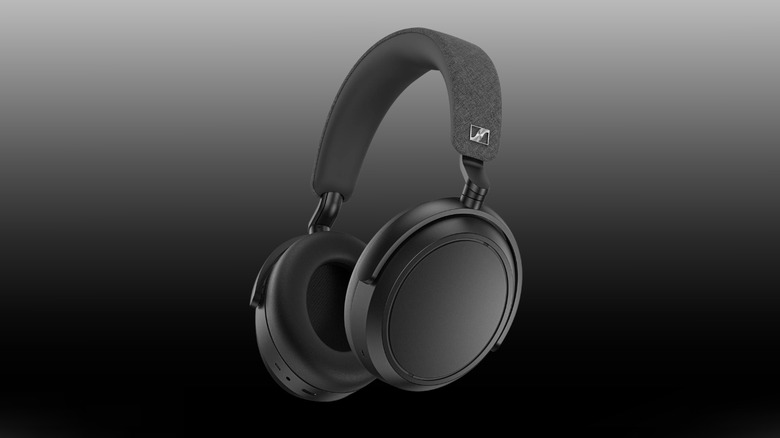
If battery life and premium features are the most important things for you to have in a set of Hi-Fi headphones, the Sennheiser Momentum 4 Wireless headphones ($299.95) easily stand out against their competitors. The device features an impressive 60 hours of continuous battery life, and that's even with ANC activated, even though the tech is a well-known battery drain for most headsets.
These headphones carry over Sennheiser's hallmarks into the realm of wireless audio — more specifically, the warm and rich sonic signature that's made the brand into a staple among studios and audiophiles worldwide. Their 42mm dynamic drivers are positioned at a slight angle inside the earcups to mimic the natural sound path of standard studio monitors. This placement opens up a wide, expansive soundstage that gives acoustics and instruments real room to breathe.
The Momentum 4s feature the aptX Adaptive codec for a high-bitrate wireless connection, which prevents distracting latency when watching movies or playing games. It also has intuitive touch controls and smart pause functionality that just works. With competent Hi-Fi output and easy-to-use premium features, these headphones manage to look and feel like a set of high-end headphones at mid-grade pricing.
Methodology

In this selection, we've included wireless headphone models that support high-resolution audio codecs like LDAC and aptX Adaptive, both of which allow for high-bitrate connections that can actually compete with wired options for quality at-home listening. Each set of headphones was then identified as suitable for a particular type of listener. Other important selection criteria were long-term comfort, weight distribution, and audio sealing; all products herein are closed-back, over-ear headphones made with high-quality materials that help prevent fatigue during extended sessions. Personal experience also supported some of the choices herein.