

5 Common Ways Burglars Deal With Video Doorbells (And How To Stop Them)
Video doorbells are so commonplace that many people treat them like a necessary part of home security. Heck, we've done that plenty of times, given all the articles we've written about the perks of installing video doorbells and so on. However, some people treat these devices like computer security apps that actively quarantine threats as they enter your PC. They're not.
In truth, video doorbells are little more than automatic sentries that keep an eye on whatever you point them at. They can tell you if a package is waiting at the door, or if someone is trying to break into your home, but that's about it. If you're not paying attention, burglars can rob you even with blaring doorbell alarms. Or worse, thieves can use your doorbells against you, either slipping in unnoticed or burgling your home and leaving law enforcement with virtually useless videos.
Necessity is the mother of invention, and it doesn't care if it's working for you or the people who want to steal your belongings. Here are some common tricks burglars use against video doorbells, and countermeasures you can use to foil them.
Destroy or steal your doorbell
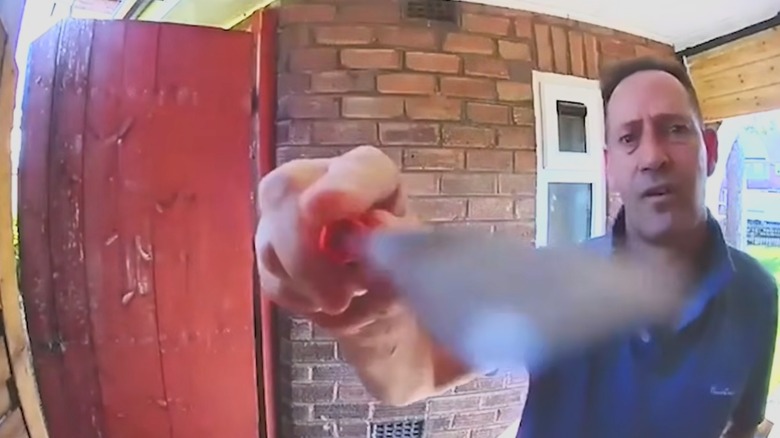
Depending on your online proclivities, you might have seen some clips of people trying to deface video cameras. Call them idiots, or morons, or whatever else you want; usually they only do that because they're bad neighbors or don't like being recorded. But some burglars believe they can't get caught if nobody sees them rob your house.
The most common tactic burglars use against video doorbells is to steal the camera. It's a caveman solution, but it works. Once a burglar detaches your doorbell, they will often take that as a sign your home is undefended and waltz on in. Heck, sometimes the thieves don't want to invade your home; sometimes they just want your doorbell camera. Plenty of video doorbells sell for at least $100 (especially the ones designed for nighttime), so a burglar could just make off with your Ring and flip it for a profit.
Obviously, the best way to deter would-be criminals from stealing your video camera is not to own one, but if you want an extra layer of security, make stealing your doorbell as difficult as possible. Security camera manufacturer Reolink suggests upgrading your Ring camera or similar with an accessory such as a protective cover or mounting plate to give it some extra grip, or activate anti-theft features (if your video camera has them) to set off alarms if anyone tries to pry the device from your wall. Even if someone successfully removes your doorbell camera, they will probably drop it in the confusion of a loud siren blasting in their face.
Mask up
Most movies and shows portray burglars wearing masks and other facial coverings for one simple reason: these items hide their faces and make positive ID difficult. If a mask keeps you from identifying a burglar in the moment, it probably won't help you identify them on a recording, either.
If someone plans to burgle a location with security cameras, it's only common sense that they'll wear a mask, and since more and more houses use Ring cameras and their rivals, burglars are more likely to wear masks when breaking into homes. They could also do it out of habit, but we digress. In fact, depending on the security cameras you buy, you might assume that placing them high up will provide a wide, unobstructed view and keep burglars from vandalizing the devices. That's true, but if you install the cameras in the wrong places and at the wrong angles, a burglar could hide their face with a big enough hat or hood.
Since you can't prevent people from wearing masks, homeowners with video doorbells just need to put up with burglars hiding their identities. But even if a camera can't help cops identify burglars, you can still bar their entry in the first place. The security company Secom recommends keeping your doors and windows locked and investing in a good old-fashioned burglar alarm — reliable smart locks can also work. Just because doorbell cameras are the latest innovation in home security doesn't mean you should abandon the older, tried-and-true methods.
Find another entry
Every spy film and stealth-oriented video game has a location that is less impregnable than advertised. Maybe there's a gap in security camera coverage, or a wall has an unguarded section. Sure, these fictional settings rely on plots that require people to sneak into supposedly secure areas, but the moral is the same: Look hard enough, and you'll eventually find vulnerabilities.
A video doorbell can give you a good view of people who visit your front door, but it's limited to what it can see. Plus, these doorbells are often pretty visible, so burglars who want to case your house will often see them from the sidewalk. As Secom points out, while the doorbells will deter criminals from entering through your front door, they'll also get people's gears turning. The front is guarded, but what about the back door? What about the side windows? Again, if a burglar looks hard enough, they will eventually find the easiest point of ingress.
The best way to discourage would-be burglars is to buy smart cameras to cover other locations. The more entrances a burglar knows (or thinks) are watched, the less likely they are to break into your home. And even if multiple smart cameras don't scare them off, hit robbers with security and surveillance measures they can't see, like burglar alarms, motion sensors, and downright invisible security gadgets such as lightbulb-shaped cameras. Oh, and don't forget to lock up, because these devices should be your last line of defense.
Take your doorbell offline
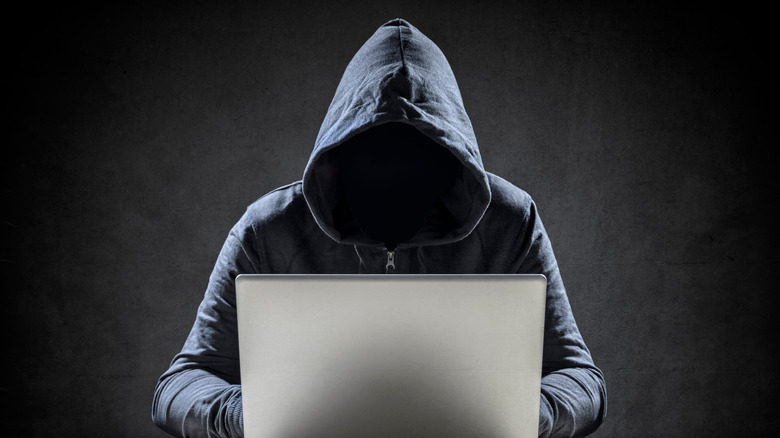
Many video doorbells require subscriptions to get the most out of their services, but some don't. These local doorbells offer many benefits, including the ability to store recordings without paying cloud storage fees. However, even if you don't need a subscription, all video doorbells rely on an active Wi-Fi signal, and smart burglars know this... and how to take it offline.
Every spy film and stealth video game worth its salt includes a gadget that deactivates — or at least neutralizes — cameras. It sounds like something that could only exist in science fiction, but according to the BBC and Rip Off Britain, this device is real and costs around £30 (about $40), at least at the time of writing. The gadget is known as a deauther device, which uses a denial-of-service (DoS) attack to deauthenticate devices connected to Wi-Fi networks, including video doorbells. Hacking into the router or modem isn't needed; a burglar can use a deauther device, and nearby doorbell cameras can't send video footage or notifications to their owners.
Unfortunately, because of how video doorbells work, there's little you can do to prevent deauther attacks. You can contact stores to take down listings for deauther devices (Amazon did the same thing after Rip Off Britain contacted the company), but if someone buys one on the dark web or builds their own, you can't stop them from disrupting your doorbell's Wi-Fi connection. However, some video doorbells have cellular capabilities, so they can stay connected even if their wi-fi goes down. While you can't prevent DoS attacks, you can buy one of these gadgets to ensure you stay connected if a burglar brings a deauther.
Target homes with video doorbells
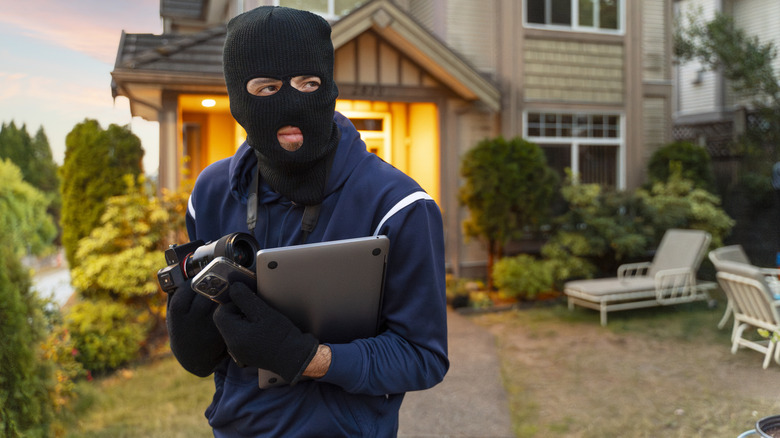
While a Ring or Wyze doorbell camera can provide some peace of mind, it can also potentially breed complacency. You don't necessarily keep your doors unlocked (that would be foolish), but you're more likely to make simple mistakes that signal to experienced criminals that you're an easy target.
We can't overstate the usefulness of video doorbells when you're away or on vacation. You can see when packages are dropped off, and the mere presence of a Ring doorbell should deter the average porch pirate. However, if you are gone for a while and let your packages pile up, experienced burglars will take notice and realize nobody is home. Heck, according to research performed by the outlet This Is Money, burglars might conclude that the benefits of stealing your stuff outweigh the risks since the mere fact that you own a video doorbell means you're well off and probably have some expensive property worth stealing. Why else go through the trouble of buying such expensive security measures?
Your best defenses against burglars when you're away or on vacation are the tricks and tips you used before video doorbells became commonplace. Ask your next-door neighbor or another trusted neighbor to occasionally hold onto your packages. Unless a robber casing your house actually sees someone retrieve your mail, they'll be fooled into thinking you're home. Also, set up lights (and maybe devices like your TV) to turn on occasionally and create the illusion of active use. Even if you don't have smart bulbs, you can buy plenty of home security devices that provide the same effect.