

4 Disadvantages Of Using A Cheap Record Player
We may receive a commission on purchases made from links.
Record players have stood the test of time for music lovers and media collectors. That's because vinyl records sound better than digital audio to discerning listeners. Additionally, vinyl records can last longer than CDs when stored properly. There's a major caveat, though: the quality and longevity of a vinyl record largely depend on the quality of the record player. Using a cheap record player comes with some distinct disadvantages.
It all comes down to how record players actually produce sound. A stylus reads grooves in the record to create vibrations, which are then converted into electrical signals that are amplified and made into sound. It's an analog process that relies on physical moving parts, so each component matters when it comes to producing high-quality music.
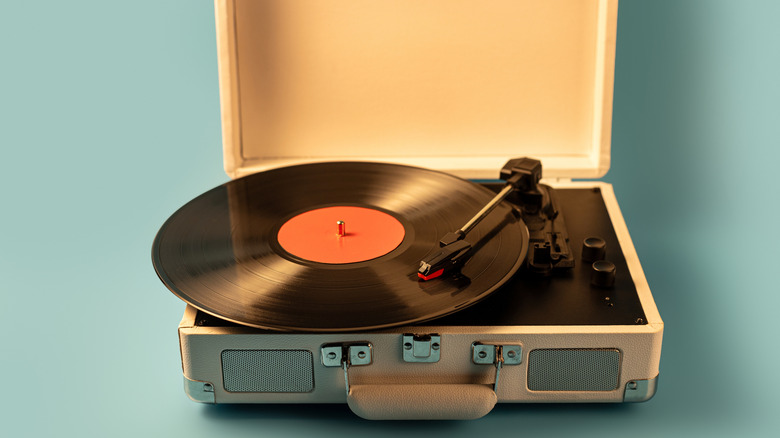
Cheap record players may compromise on materials or build quality in order to achieve an affordable price. These are typically "all-in-one" systems that bundle the turntable, amplifier, speakers, and sometimes even a portable case, all into one cost-friendly machine. The drawbacks are often apparent as soon as you start listening. Using a cheap player can dampen your listening experience and potentially harm your collection. Here are four specific disadvantages you may notice when using a cheap record player.
Inferior sound quality
Cartridges, tonearms, and platters — these are the parts of a record player that are essential for extracting beautiful sound from vinyl. In a cheap turntable, these parts may be unstable or inaccurate, leading to distorted sound. Some players use a belt-drive that offsets the platter from the motor, which keeps motor vibrations from affecting the final audio. That's why some audiophiles prefer belt-drive turntables over direct-drive; the belt design can help overcome certain flaws in the player's build.
But another problem can be found in the form of cheap record player speakers. Low-quality speakers in an all-in-one system will result in muffled audio, distortion, and a narrow soundstage. What's more, built-in speakers are often designed with weak bass on purpose. This is because vibrations from the speaker can make records skip during playback. That being said, it is possible to find record players with good speakers. The review team at Wirecutter recommended the Angels Horn H019 and compared it to other all-in-one players, saying that it "sounds much clearer and fuller than most."
Inconsistency during playback
Not everyone is an audiophile; it's entirely possible to enjoy a cheap record player even if it isn't delivering pristine audio. But one thing that can't be overlooked by any listener is inconsistent playback. Some cheap players are guilty of frequent skipping, jumping, or poor tracking. When the music cuts out or skips ahead, it's blatantly jarring and disruptive, even for casual listeners.
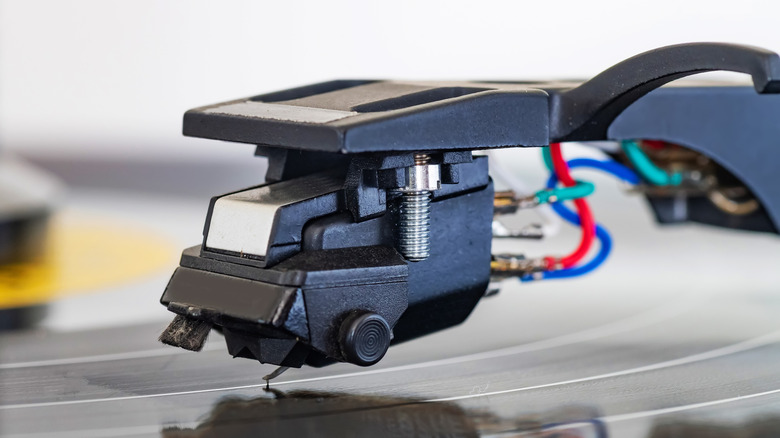
This inconsistency comes from the use of flimsy parts or other cost-cutting measures. Some manufacturers save money by using a smaller platter, but you need a full-sized platter to provide proper support for the spinning record. A cheap tonearm can be an even bigger problem. The tonearm and cartridge need to be meticulously designed and weighted, or else the stylus won't track the grooves in the record correctly. And when the tracking force isn't correct, the stylus might damage the record by bouncing around or grinding down into the vinyl.
Damaging your vinyl records
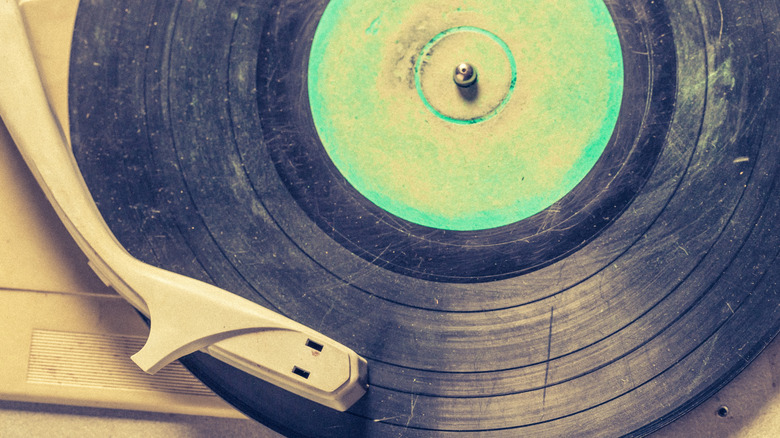
Using a cheap record player is certainly one of the most common ways you could be ruining your vinyl records. The main problem, as stated above, is that cheap players use poorly balanced tonearms and cartridges. Too much weight on the tonearm causes the stylus to grind into the vinyl, while not enough weight causes the stylus to bounce around and scratch across the surface of the record.
The stylus itself can also be a problem. The best modern turntables you can buy have a diamond stylus, while budget models use cheap stylus materials that wear out after just 200 hours or less. A damaged stylus needle is more likely to skip and damage the record. It's worth noting that vinyl records will slowly wear down with use either way, but considering that vinyl records are so much more expensive than CDs, it makes practical sense to invest more in a turntable that will help your records last longer.
Lack of features and compatibility
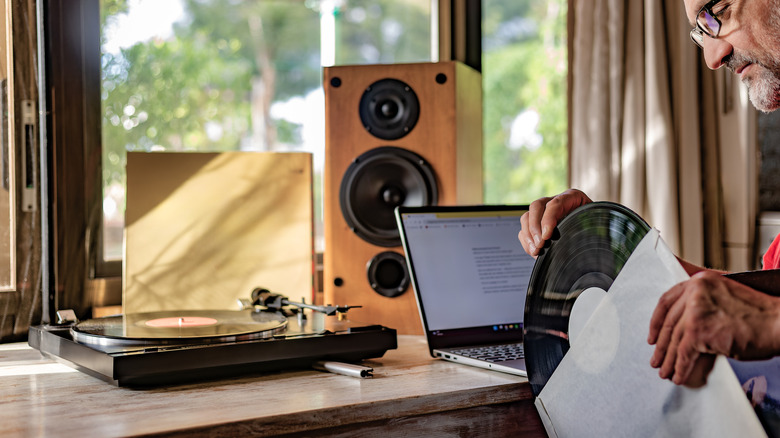
Many of the best record players for audiophiles come with built-in quality-of-life features that greatly improve the listening experience. The Audio-Technica AT-LP60X is an example of what to look for in terms of feature offerings. It has been labeled as the "best budget turntable" by expert reviewers, and despite its reasonable price of $189, it's capable of fully automatic operation and compatibility with your phono preamp of choice. These are the kinds of conveniences you won't find in a cheap all-in-one record player.
Cheap record players also skimp on connectivity options. All-in-one units often only play audio through their built-in speakers. Being unable to use your own headphones, external speakers, or Bluetooth accessories is a huge disadvantage. It's also worth choosing a record player with upgradeable components. There are some noteworthy upgrades that will instantly improve your turntable's audio quality, and they can turn a low-tier player into an audiophile-approved one.