

5 Disadvantages Of Apple's Ecosystem You Should Know About
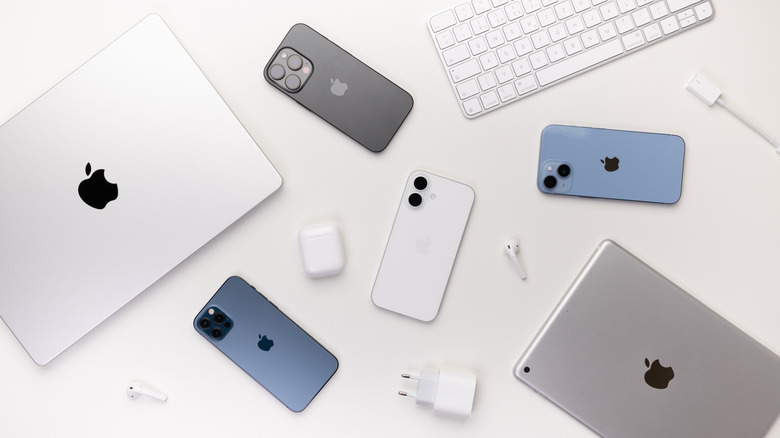
Apple's ecosystem is one of the biggest reasons users are drawn to iPhones, iPads, MacBooks, AirPods, and more. The devices work seamlessly together. Be it sharing files and photos, syncing data, or even day-to-day tasks, Apple devices are regarded as some of the best on the market. But Apple products have their downsides, and the ecosystem is no exception. However, you usually notice these drawbacks a little down the line, or after you already own a few Apple devices.
The biggest problem, and one that you will realize before anything else, is that Apple devices aren't as customizable or flexible as others. You don't get as many options to customize the device as you get on Windows, Linux, Android, or Wear OS. Similarly, you have fewer choices when it comes to apps. While most popular apps support Apple devices, Apple's slightly restrictive policies make it harder for smaller developers. As a result, some apps and utilities on Windows and Android may not be available for macOS or iOS. Additionally, Apple is sometimes late to roll out the latest technologies even when other manufacturers have long adopted them, leaving users waiting.
Keep in mind that these drawbacks aren't inherently bad and that Apple is surely aware of them. Most of these are deliberate choices, and in the case of a few, the benefits far outweigh the downsides. But you should still know them beforehand to make an informed decision.
Limited compatibility and fewer choices
As we said earlier, Apple products work exceptionally well together, but when you bring another device into the equation, it's no longer as seamless. Cross-platform support is something Apple still struggles with. For instance, if you have a MacBook, iPhone, and iPad, you can use AirDrop to share files between them. But as soon as you introduce a Windows laptop or an Android smartphone to the setup, file sharing becomes a challenge. You could, of course, rely on apps like LocalSend to share files, but there are no native functionalities for this purpose (though Google has been working on Android AirDrop compatibility recently). Similarly, if you have an Apple Watch, you can't really use it with an Android phone. By and large, the watch only works with iPhones and is not compatible with other smartphones.
Apart from that, you have relatively limited options when it comes to software. For example, the popular screenshot-capturing utility, ShareX, is only available for Windows and not macOS. You similarly have apps like ReVanced that are available for Android but not iOS. So, if you are just switching to the Apple ecosystem, make sure your Apple device supports the apps you regularly rely on.
Let's not forget that almost everything is tied to Apple's hardware. For instance, you can't easily install macOS on a Dell or HP laptop, while you can generally switch between Windows, Linux, and ChromeOS on these systems. Once you get an Apple device, you are, in a way, stuck with the operating system it came with.
More restrictions than most alternatives
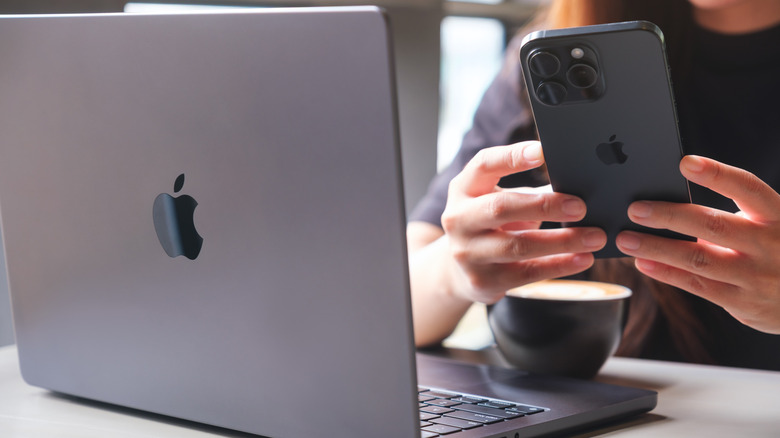
Apple is undoubtedly more restrictive, whether it's with macOS, iOS, or iPadOS. You will find way more customizations on Windows or Linux compared to macOS, and on Android compared to iOS. While things have improved in the recent past, it's still nowhere close to what popular alternatives offer. For how the system looks, sounds, and behaves, Android and Windows provide far more customizations. And when it comes to Linux, you have even more options. Many restrictions also apply to apps available for Apple devices. As a result, some apps never make it to the App Store on iOS or macOS.
Loyal Apple users often cite these restrictions as the reason the Apple ecosystem is more secure. But if you are someone who prioritizes flexibility and customizability, the Apple ecosystem can be more challenging to navigate.
Another disadvantage of the Apple ecosystem is that you are tied to the hardware configuration you choose at the time of purchase. You can't upgrade it later on, at least not as easily as you can with other manufacturers. For instance, if your computer is running slow or is low on storage, you can generally add more RAM to it or upgrade the storage drive. However, with MacBooks, that's not typically an option, and it's considered a major MacBook limitation. Keep in mind that some Windows laptops also come with soldered RAM, and if you plan on adding more memory down the line, it's best to avoid these.
You may miss out on the latest technology
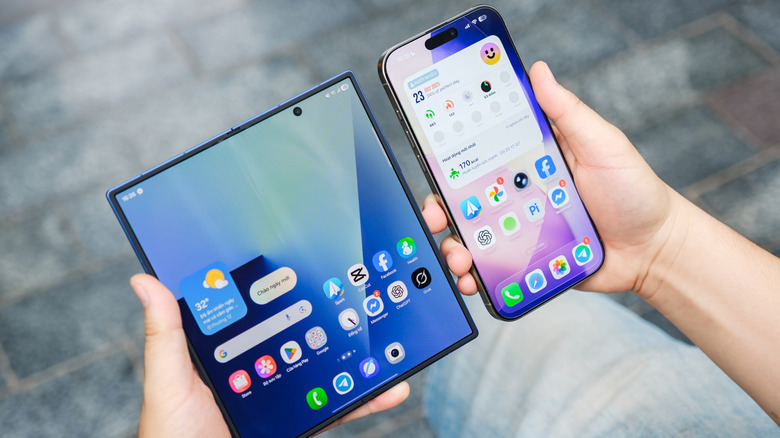
If you have been using Apple devices for the past few years, you must have noticed that Apple is often late to adopt the latest technologies. There are a few notable examples of this. For instance, foldable phones have been around since 2018, with Samsung launching the Galaxy Fold in 2019. But Apple has yet to roll out an iPhone with a foldable screen, even though the technology is now widely available. Similarly, we are yet to see a touchscreen MacBook, despite major laptop manufacturers like Dell and HP releasing 2-in-1 laptops in the past few years.
Even when it comes to AI integration, Apple seems to be falling behind Google and Microsoft. Android phones as well as Windows laptops now have a ton of AI-backed features, while Apple is still in the early stages of adoption and has turned to Google to help catch itself up with the new Siri.
All that said, Apple's approach could also be one of caution. By waiting a little longer than its competitors, Apple can release refined and polished versions with fewer issues. But if you are an early adopter, this approach presents a major downside of sticking with the Apple ecosystem.
The ecosystem itself encourages additional purchases
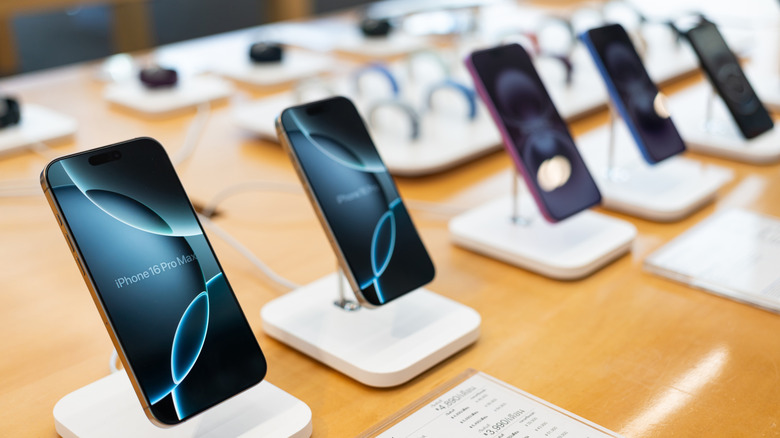
Apple's ecosystem is highly effective and designed to ensure that its devices work seamlessly with one another. But there's also a disadvantage to it that often gets overlooked. Once you get an Apple product, you are more likely to get another from Apple, and so on. Many users will pick an iPhone or a MacBook as their first Apple device, and soon enough, their setup comprises mostly Apple products, including AirPods, an Apple Watch, and more.
It's not necessarily a bad thing. Generally, each new product unlocks additional functionalities and features. For instance, with an Apple Watch, you can monitor health, quickly check notifications, and even place and receive calls without touching your phone. And there are some things that work exclusively with Apple devices, making available alternatives less appealing.
Now, if you derive value from these devices, it's justifiable. But that's not always the case. Sometimes, these devices are just an additional expense, especially when more cost-effective alternatives exist. For example, top-rated wireless earbuds from brands like JBL are available at a much lower price than AirPods. So, it's important to identify whether your next Apple product truly elevates the experience or whether it's just an impulsive purchase.
It can be difficult to leave
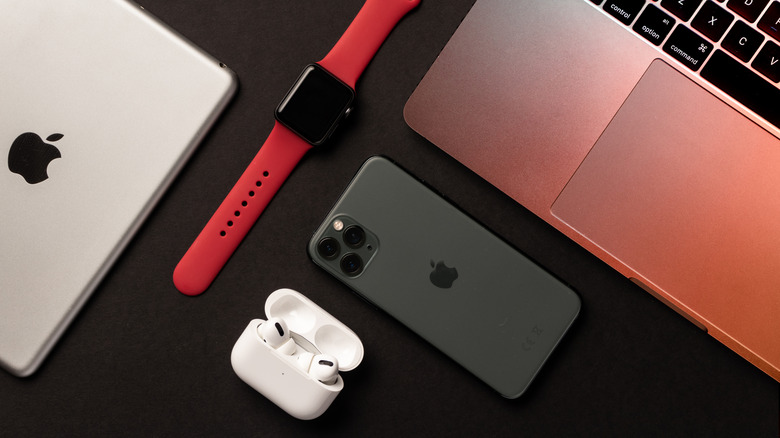
One of the biggest disadvantages of the Apple ecosystem is that once you are in, it's extremely difficult to leave. The same can be said about other ecosystems, but with Apple, it's harder than most people realize. If you already have an iCloud subscription for photos and videos and have synced passwords and other critical data across devices, switching becomes a lot more challenging. Even if the other device offers better features and functionalities, the ecosystem keeps you from switching. For example, if you want to switch from iPhone to Android, the Apple Watch loses much of its purpose, and that often stops people.
There's also another aspect. Once you have spent a decent amount of time in an ecosystem, leaving for another feels inconvenient even if it saves you money or fits your usage better. The initial adjustment period alone is enough to prevent many people from switching. Remember, the same seamless device integration and ease of use that bring people to the Apple ecosystem can sometimes make it difficult for them to leave later.