

8 Common Smartwatch Myths You Should Stop Believing
We may receive a commission on purchases made from links.
As smartwatch brands keep releasing new models and adding extra features to the wearable devices, users enjoy additional layers of convenience and functionality. However, as with many pieces of technology, smartwatches are surrounded by misconceptions, which can mask the truth about these relatively new hunks of tech gadgetry.
Smartwatch myths go both ways. Some of them push people to avoid buying the gadgets, while some make them appear more powerful than they really are. You may have heard arguments that smartwatches are just lesser versions of smartphones, or claims that the fitness data the devices collect allow them to diagnose health problems. We're going to tackle both kinds of distortions and set the record straight as one way of avoiding mistakes when buying a smartwatch.
Once you're fully aware of what to expect from a smartwatch, you should have a better idea of how exactly these wearable devices can help you in your everyday life. Read on for the common smartwatch myths you should stop believing, so that you can make a more informed decision on making an investment in these gadgets.
Smartwatches are redundant with smartphones
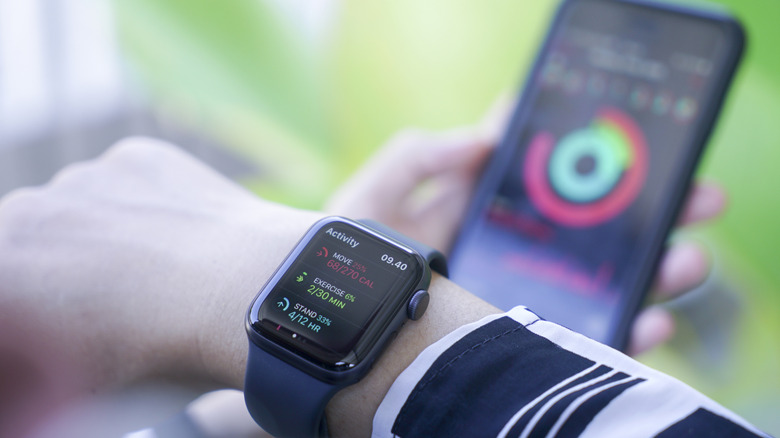
Some people may think that smartwatches are just lesser versions of smartphones, especially since much of their functionality requires pairing the two devices. Why buy a smartwatch with miniaturized apps and that can show notifications when your smartphone has the full-fledged versions of those apps and is the source of those notifications in the first place?
Smartwatches and smartphones, however, should be considered as extensions of each other. It's not always easy to take your phone out of your pocket or to fish it out of your bag, such as while walking on a busy street or when you're driving. With a smartwatch, a quick glance will reveal if the notification from your smartphone is something that you need to handle right away, or if an incoming call is important enough that you should pull over to accept it.
Additionally, smartwatches offer functions that are impossible for smartphones, many centered on health monitoring and sleep tracking features. While the visualization and analysis of this information is better done on your smartphone, collecting it can only be done by your smartwatch, as it's equipped with sensors specifically for this purpose. Many of those sensors need to be in contact with, or in close proximity to, your skin, which isn't practical with a smartphone.
Smartwatches are complicated devices

The user interface of smartwatch operating systems like Apple's watchOS and Google's Wear OS share similarities with those for the associated smartphones, including design elements such as app icons and colors. There are also several differences due to the smaller screens, but just because there's limited space doesn't mean that it's difficult to learn how to use a smartwatch.
You might need some time to adjust once you get your first smartwatch, but it's no different from when you buy any other new device that has a learning curve. In the same way that drivers have to adjust going from a car with a manual transmission to one with an automatic transmission, or people switching from iOS to Android or vice versa have to adjust, using a smartwatch just becomes simpler as days go by.
Smartwatch manufacturers usually recommend wearing your smartwatch as many hours as possible each day for the purpose of collecting fitness data, which can actually also help you get more comfortable using the device's other capabilities. With the smartwatch attached to a part of your body that's easily accessible, this will help quicken your mastery of navigating its menus, and it won't be a complicated gadget for long.
Smartwatches expose you to radiation
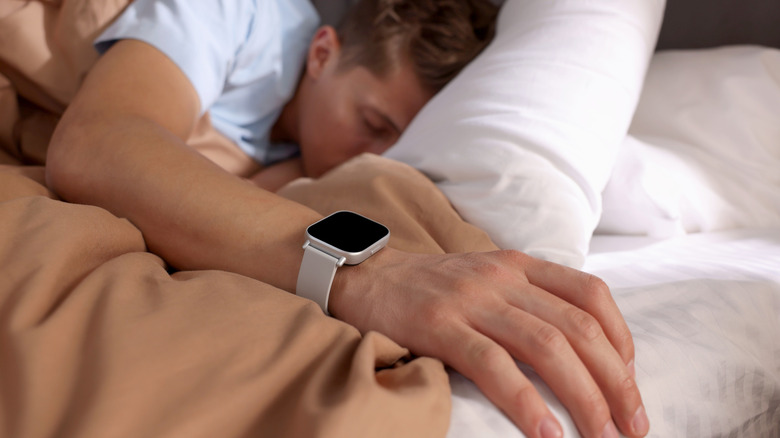
Smartwatches are equipped with different kinds of sensors, and they send signals to communicate with their paired smartphones in short intervals. With the wearable devices directly touching the wearer's skin at the wrist, there are concerns in some circles that they may be exposing people to some form of radiation that could be harmful to their health.
While it's true that smartwatches emit radiation, there's nothing to worry about. To be able to receive and transmit data, they're equipped with low-powered radiofrequency transmitters. These transmitters emit radio waves, which are non-ionizing radiation, according to the Centers for Disease Control and Prevention. This form of radiation, unlike ionizing radiation, is usually harmless to humans at the low levels used for smartwatches.
Non-ionizing radiation can be found all around us, coming from sources like the sun, appliances, and wireless devices. Exposure to intense amounts will generate heat that can cause some damage, but the levels coming from your smartwatch are nowhere near dangerous. Before they're sold in the US, smartwatches must meet the radiofrequency radiation limits set by the Federal Communications Commission, according to the CDC, so even if you wear the gadget all the time, you won't be at much risk for harm.
Smartwatch batteries drain too fast
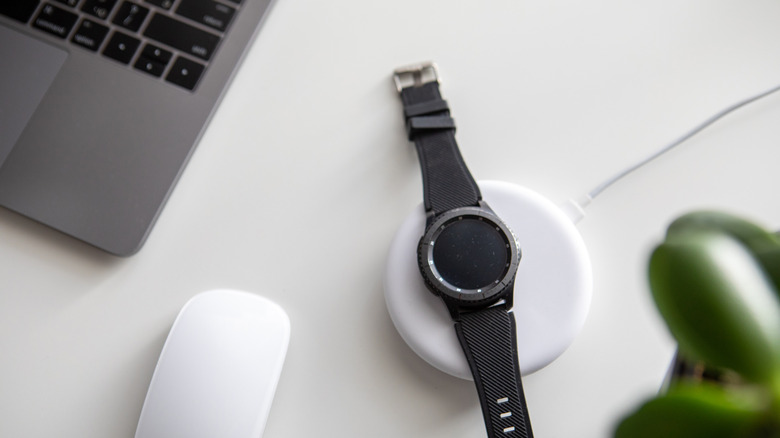
Smartwatches are smaller than smartphones, and with their tiny batteries, there's a misconception that they'll only last for a fraction of the time. It certainly would be a hassle if you had to take off the device multiple times a day to charge it.
Unless the battery is on its last legs because it's time to replace your smartwatch, there are ways to avoid quick and frequent power drain with your gadget. For example, you can lower its screen brightness, limit the notifications that it shows, and shut down apps running in the background. Also, as with any electronic device, using several features at the same time will use up your charge faster than single-tasking. One of the most notorious smartwatch features that kills battery life is GPS, so if you don't need it, you can significantly extend the time between charges by switching it off.
Nevertheless, the latest smartwatch models are great at holding a charge. For example, the Apple Watch Ultra 3 runs for up to 72 hours in low power mode. Then there's the Garmin Enduro 3, which can last up to 90 days with the help of solar charging.
Smartwatches are precise
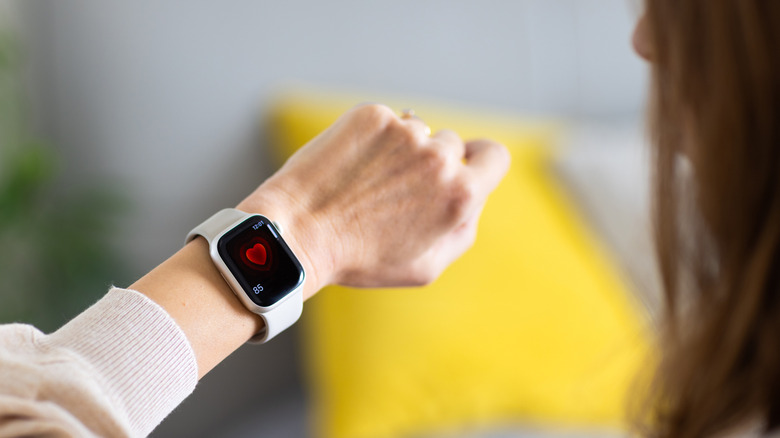
Smartwatches can collect a wide variety of fitness data, including steps taken, heart rate, calories burned, sleep quality, and VO₂ max. With manufacturers claiming that the sensors inside the wearable devices are getting more advanced, you might end up blindly trusting the numbers from your smartwatch, thinking they are 100% accurate.
Unfortunately, all of the numbers mentioned above are health metrics your smartwatch is probably measuring inaccurately. This is partly because the capabilities of the sensors inside the gadgets are still limited, especially compared to instruments that are dedicated to taking these measurements. For VO₂ max, for example, smartwatches can only generate an estimate from the wearer's movement and heart rate, while a medical lab can make a precise reading.
This doesn't mean the fitness data collected by smartwatches should be completely disregarded, though. While you shouldn't depend on specific numbers from wearable devices, you can still use the readings to track general trends in your wellbeing. For example, if you see that your heart rate measurements have been steadily rising, it might be a good idea to book a doctor's consultation.
Smartwatches are a cybersecurity risk
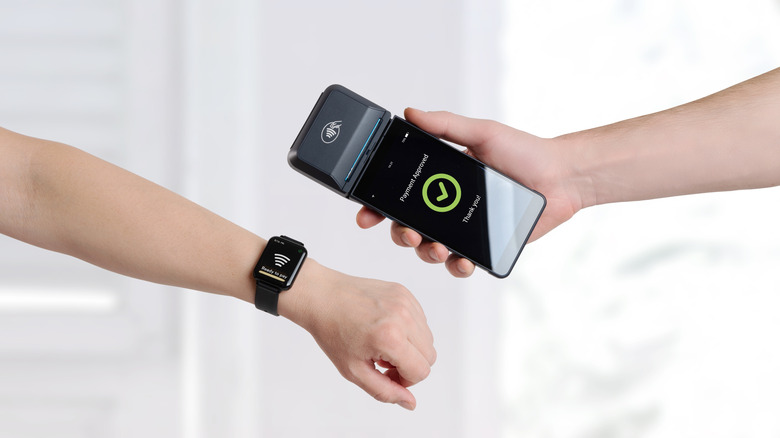
One of the major conveniences provided by smartwatches is contactless payments. You can use Apple Pay with an Apple Watch, and Google Wallet or Samsung Wallet with a Pixel Watch or Galaxy Watch, respectively. However, by loading your payment details into the wearable device, and given the fact that they collect personal health data and associated information such as your location and your sleep routine, many users are concerned that the gadgets may be exploited by hackers.
Cybersecurity issues aren't new for electronic devices like computers and smartphones. The best ways to avoid security breaches are by installing security updates as soon as they are released and making sure that you use proper security measures, such as strong passwords and biometrics. The same principles can be applied to smartwatches to minimize risk.
The only time that smartwatches can immediately be flagged as a cybersecurity risk above and beyond the norm is when they're no longer supported by security updates. While the device generally will still work after that point, it will be vulnerable to any new forms of attack that hackers develop. Support usually lasts for three to five years after a smartwatch's release, depending on the manufacturer, after which you should think about getting an upgrade.
Smartwatches can diagnose health issues
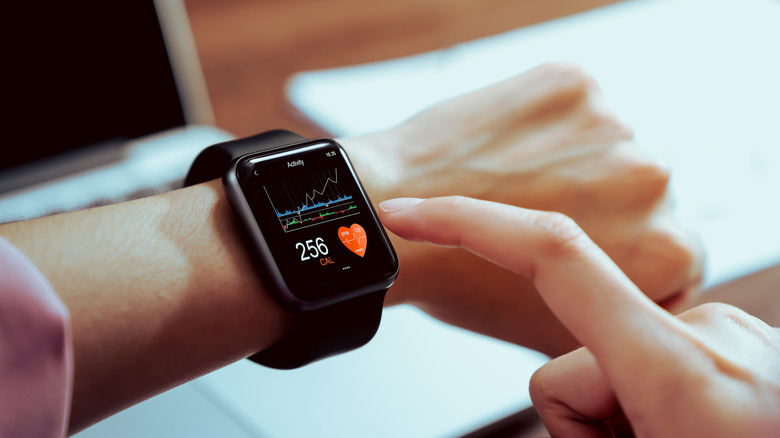
The data collected by smartwatches may not be precise, but it's still helpful in identifying trends in your health. Apps are getting better at providing deep analysis of the gathered information to give you an idea of your heart rate patterns over weeks or months, sleeping trends, and overall activity level.
Smartwatches, however, should not be considered true diagnostic tools, as they can't replace the accuracy of clinical exams and a consultation with a doctor to interpret the findings. You can't just plug in the figures in a search engine and expect to get a definitive answer. Smartwatches are capable of collecting a lot of information, but medical training is still necessary to understand what the numbers mean, said Dr. Chad Raymond, the Director of the Cardiac Rehabilitation Program at University Hospitals Harrington Heart & Vascular Institute.
If your smartwatch detects one-time anomalies such as a sudden spike in your heart rate, it doesn't necessarily mean that something is wrong. The data from your wearable device is just part of the bigger picture of your wellbeing. Your doctor can look at the summary of the collected information, but will combine it with your symptoms and lab tests to complete the diagnosis of any health issues that you may have.
Smartwatches don't provide value for the money

Some people simply aren't convinced that smartwatches are worth spending money on after seeing the Apple Watch Ultra 3 starting at $799 and luxury smartwatches like the Garmin Marq Adventurer (Gen 2) with models that go for $3,100. Taken at face value, these prices can definitely seem like a huge overspend for wearable devices.
The value for the money spent really depends on the wearer, though, particularly if they'll be able to take full advantage of the capabilities of the model that they purchase. With more features being added with every release of the Apple Watch and Samsung Galaxy Watch, it's up to each person to decide if the investment will be worth it.
It's also considering the rise of affordable smartwatches, including models from Apple and Samsung themselves, with the Apple Watch SE 3 starting at $249 and the Samsung Galaxy Watch FE starting at $199.99. Additionally, there are several cheap smartwatch brands, such as Amazfit, CMF by Nothing, and Huawei. Thanks to this expanding market, many potential customers should now be able to find an intersection of features and price that makes them more comfortable spending money on a smartwatch.