

5 Of The Biggest Adjustments For An iPhone User Switching To Samsung
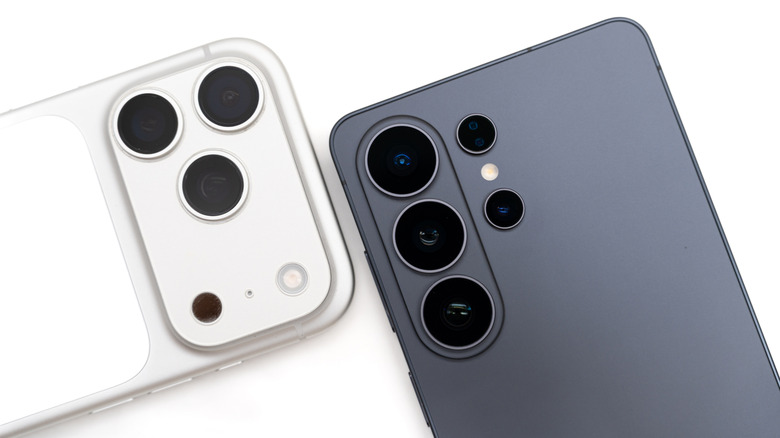
iPhone users who have grown tired of similar hardware design and almost-identical yearly iOS releases can switch to Android with relative ease, and Samsung is likely to be one of the first Android vendors these consumers consider. The South Korean giant was the world's top handset manufacturer for several years, with Apple taking its position last year. The company sells various types of Android devices, including the Galaxy S26 Ultra that competes against the best iPhone 17 Pro models, affordable premium phones like the Galaxy S25 FE, cheaper devices like the Galaxy A57 and A37, and exciting foldables like the Galaxy Z TriFold and the brand-new Galaxy Z Fold 8 passport-style device.
But switching to a Samsung phone, while technically possible, involves trade-offs that may not be immediately obvious. iPhone users will have to make a few significant adjustments along the way, as you'll see below. The five biggest changes that come with moving to Android concern various aspects of the iPhone experience. That said, mitigations exist, and users can adapt to the new environment, especially if they're not already invested in the Apple ecosystem.
Face ID authentication
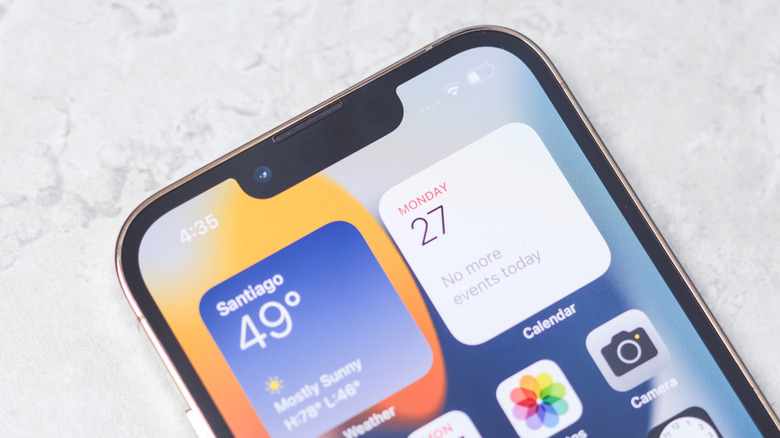
Whether they run iOS or Android, modern smartphones look generally similar. The iPhone has a few particularities that aren't matched on Android, with Face ID authentication being the most important one. That cutout at the top of iPhones is larger than on Samsung devices, as it includes the components that make the 3D face recognition system work. A projector beams thousands of dots on the face of the user, and the Face ID system reads the resulting pattern to create and recognize a unique 3D representation of that face. That's how Face ID unlocks the iPhone. The system can recognize the user even with masks and headwear on.
A key benefit of the authentication system is that Face ID allows users to log into supported apps, including online banking, medical, and other sensitive applications. Face ID is also used for Apple Pay authentication. Samsung supports 2D face authentication on its phones, but sensitive apps may require a password or the use of an under-display or side-mounted fingerprint sensor. In addition to Face ID, users may miss out on other unique iPhone hardware features. This includes the Action button, the Camera Control button that invokes the camera from any screen, and the MagSafe wireless charging system.
No iMessage support
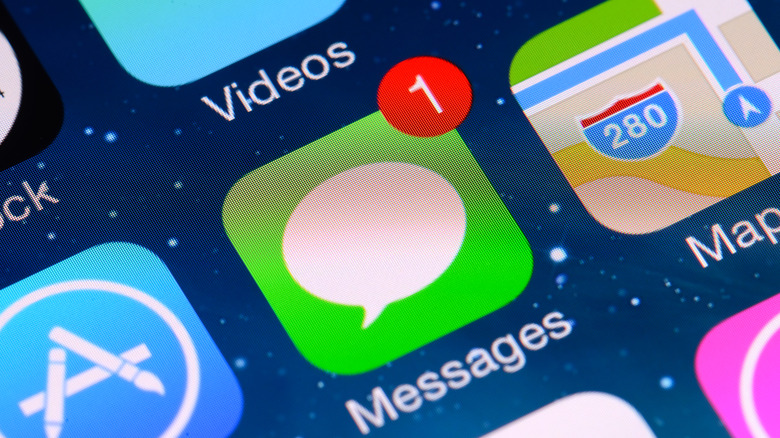
On the software side, the biggest shock iPhone switchers may feel is the absence of iMessage support on Samsung devices. iMessage is Apple's proprietary messaging system that works only on Apple devices. The rich messaging system is end-to-end encrypted and doesn't involve carriers. iMessages work over any internet connection, and they support many of the same features that iPhone and Android chat apps offer, including typing indicators, read receipts, reactions, stickers, editing, file transfer, games, and AI features.
Former iPhone users will replace iMessage with Samsung's Messages app, WhatsApp, or a different application, but they'll never be able to use Apple's chat standard on the Android device. There is some good news for iPhone users who make the switch to Samsung in late 2026. The Messages app on iPhone supports Google's RCS system, so users will be able to get an iMessage-like experience on Samsung phones via RCS. This may include end-to-end encryption security. But the chat bubbles will be green, similar to the color of regular SMS texting. Importantly, their carrier will have to support RCS messaging for the feature to work. In addition to iMessage, former iPhone users will lose access to other Apple apps available, including FaceTime, the iPhone's default video call app. Android users can join FaceTime chats via a browser link, but they won't be able to initiate new calls.
Say goodbye to the Apple Watch
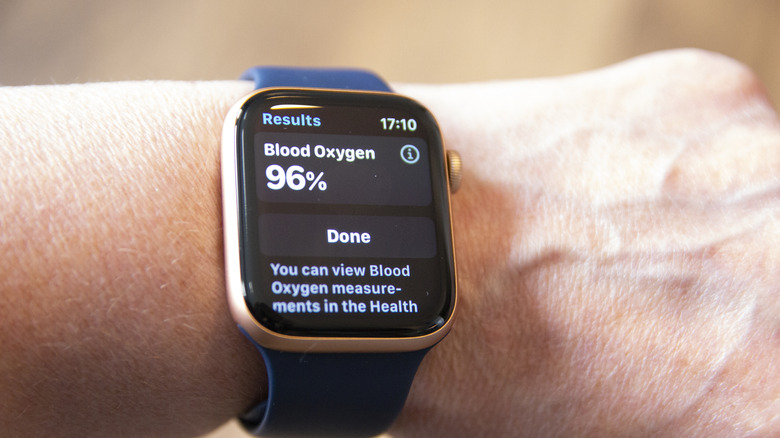
While it is one of the world's most popular wearables, the Apple Watch doesn't work with Android handsets, so consumers will not be able to use the wearable with their Android device. They could keep using the Apple Watch to collect health data, but it will not sync with the Galaxy handset. Instead, they'd have to retain access to an iPhone to see the health data. The health and fitness data the wearable collects goes to Apple Health and Fitness. These apps are encrypted and tied to the user's Apple Account.
Since the health information can't easily be moved to competing apps, users will need to rely on other apps to export data manually from Apple Health to Android Health Connect and then to Samsung Health. Even then new Samsung users should not expect to be able to transfer every data point from their Apple Watch. Users may want to buy a Galaxy Watch, a Pixel Watch, or a different smartwatch that works with Samsung phones to continue tracking their health and fitness on the Android handset.
Things are similar with AirPods. Apple's wireless earphones are customized to offer iPhone users specific capabilities, depending on the model. Some support advanced features like Active Noise Cancellation (ANC) and spatial audio. The AirPods Pro 3 can work as hearing aids and support live translation. Any AirPods model will work as Bluetooth wireless earphones with Android, but they will not support the same features. Finally, AirTags will work only with Apple devices.
Mac and iPad continuity
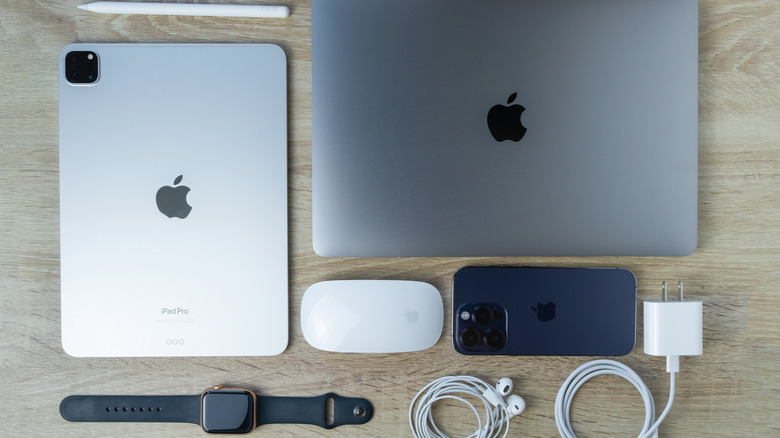
Replacing the iPhone with a Samsung alternative will cause additional hardware disruptions beyond the Apple Watch and AirPods. Consumers who own Macs and iPads will no longer be able to take advantage of the built-in Continuity tools Apple developed over the years for the iPhone-Mac-iPad ecosystem. Features like AirDrop, copying and pasting content between devices, using an app on a second device after opening it on the first, and mirroring the iPhone to the Mac will not be available to Galaxy handset owners. Users will also lose iMessage synchronization between iPhone, Mac, and iPad, calls and text on Mac, and the Continuity Camera feature.
One upside is that Google was able to add AirDrop support to the Quick Share feature, which means some Android devices, including Samsung phones, can share files via AirDrop with iPhone, Mac, and iPad. For other Continuity-like features, former iPhone users may also want to buy a Windows laptop/tablet and an Android tablet.
The user's Apple Account and iCloud are key elements involved in Continuity features. The iPhone, Mac, and iPad need to be signed into the same Apple Account to support Continuity. Also, iCloud backups and files are accessible on Apple products but require the same Apple login. Users will need third-party cloud alternatives to enable cross-platform functionality, as iCloud isn't available on Android as a separate app.
The software updates
Samsung is one of the Android vendors that offers industry-leading software support to specific types of devices. Android flagships get up to seven years of major Android updates and up to seven years of security updates. Mid-range Android handsets may get up to six years of software releases. While Samsung makes these guarantees, the company doesn't control the rollout schedule of these software updates.
Android 17 is the latest major Android update that Google released in June 2026. The update is available to supported Pixel models, but it'll take a few more weeks to reach older Galaxy phones. When that happens, Samsung won't roll out the Android 17 update to all the Galaxy devices that will support the new release at once. Instead, the company will deliver a staggered rollout. Samsung has to customize and test the latest Android OS under its One UI software.
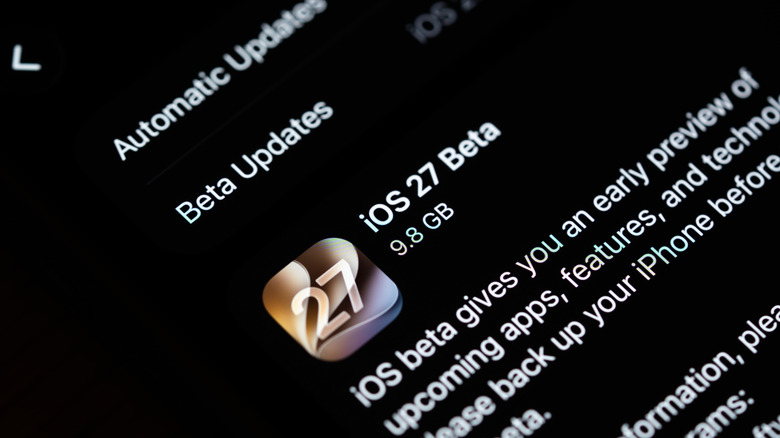
This experience will be completely different than what iPhone users may be used to. Apple doesn't promise seven years of updates like Samsung in its marketing materials, but Apple has a proven track record of supporting iPhones for at least five or six years. The 2019 iPhone 11 series is the best example of that, as the handsets will receive the iOS 27 update launching in September. Importantly, the company makes its newest iOS versions available to all supported iPhone models at the same time. This includes iOS betas and finalized builds. Apple controls the rollout schedule, and there's no involvement from third parties, like carriers, in the release.