

9 Electronics That Will Last Longer Than A Modern Smart Phone
Old Nokia phones were famous for lasting forever, thanks to their simplicity and legendary durability. Things are very different now. Modern smartphones are packed with features but rarely last more than a couple of years. Even if you ignore the insistence to upgrade, you will find your phone slowing down and performing poorly soon enough, before the OS and apps pull the plug entirely, forcing you to switch. The reasons for this are several.
The smartphone industry is built around quick innovations and rising sales, not phones that last. Especially batteries, which die quickly and aren't easily replaced. The other part is the natural consequence of the technology. Modern smartphones pack powerful computing and networking capabilities into a tiny device, along with a volatile battery, generating a lot of heat with nowhere to go. This means components wear out faster, and battery life becomes unstable.
The reasons smartphones don't last long also hint at what kind of electronics can buck this trend. Gadgets designed with simpler features, without relying on batteries (or at least with lower power draw), can last much longer. Even for more complex electronics, devices that are meant for hobbyists and professionals, often as key tools, are engineered to last. Unlike modern smartphones, this gear is meant to be an investment, with a design built to last a decade or more.
Laser printer

Anyone who's ever owned a standard inkjet printer knows the issues. Beyond the cartridges needing frequent replacement, the print head itself can stop working, especially if you let the printer sit for a while. The reason is the liquid ink. Inkjet printers spray tiny droplets of multi-colored ink to create images and text on paper.
But when this ink dries out? It clogs up the nozzles, creating internal blockages that are virtually impossible to fix. As a result, inkjet printers rarely last very long, perhaps five years if everything goes right. Laser printers, however, are very different. Instead of ink, they use dry toners. The printing process uses a laser beam to etch out the pattern on a photosensitive drum, which then attracts the toner particles and prints them onto the page.
This process avoids drying liquids getting stuck, so the printer can last much longer than inkjet printers, even when left idle. Leading brands still try to bake in obsolescence by combining the toner cartridges with the magnetic print drum, making the replacement an expensive process. Brother laser printers, on the other hand, are among the cheaper printers that don't make you spend a fortune on ink. The toner and drum are separate, and they even accept third-party components, so Brother laser printers can easily last 10 years or more.
Pebble smartwatch
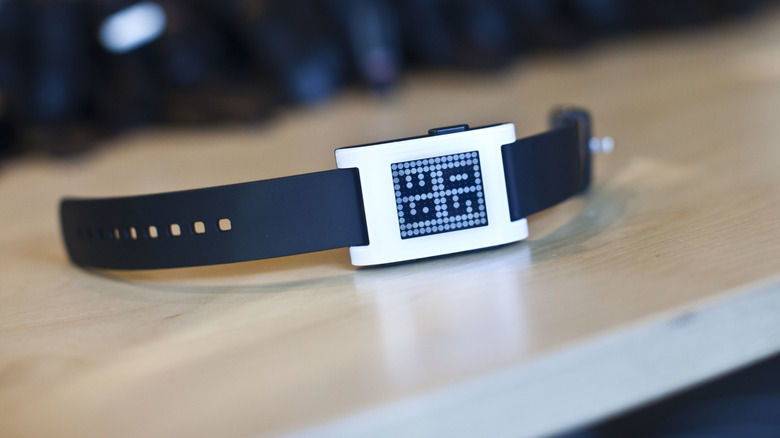
Including a smartwatch on a list of electronics that last long might feel strange, since they are known to suffer from many of the same issues as smartphones. The device is still small; it still has to pack a lot of computing and networking features into that tiny form factor, and it still has a battery that won't last long under such stresses. Not to mention the same software ecosystem that declares end of support for products in a handful of years.
If anything, their longevity can be worse than smartphones. Smartwatch batteries are even harder to replace, and smartwatches are more exposed to the environment as wearable devices. But we are not talking about regular smartwatches. We are talking about Pebble, an unusual smartwatch experiment that attempted to create a smartwatch that would last, with simpler features and better build quality. Launching in 2013 as a Kickstarter project, Pebble distinguished itself by using an e-ink display instead of the standard LED screen.
Paired with simpler apps, this meant the watch used very little power, giving it incredible battery life and less heat. As a result, the initial Pebble watches have lasted years, even though the company shut down. Pebble is back at CES, proving wearables don't have to be too smart, with an updated lineup that still uses e-ink screens and metal chassis to achieve a durable smartwatch that can last longer.
Headphones
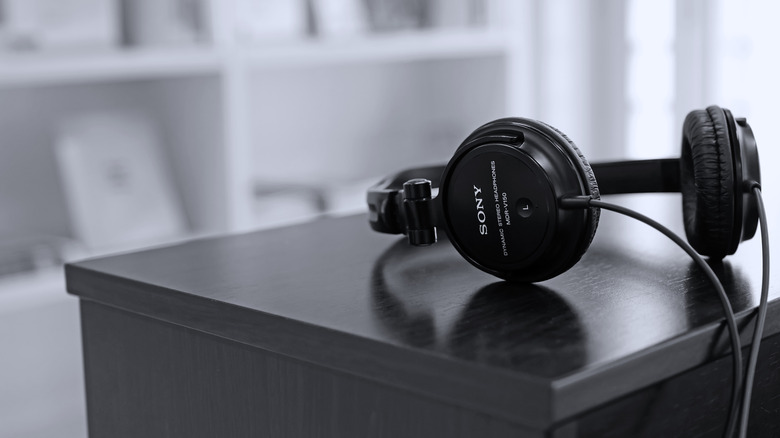
When it comes to headphone longevity, the first question we must ask is: Which lasts longer, wired or wireless headphones? As you might expect, wired headphones last longer. The most obvious reason for this is the battery. Much like smartphones, wireless headphones often rely on an irreplaceable battery, which dies out at some point, rendering them obsolete. But the differences go deeper than that.
Playing a digital audio file isn't simple. The signal has to be converted to analog for the audio coil to play it. This means the wireless headphone needs complete audio processing inside it. Not to mention the networking equipment to interface with the Bluetooth connection itself, or the buttons to control it. You also need a processor to control all these components. A pair of wired headphones, on the other hand, is just the coil, magnet, and the housing to hold them. Nothing complex. Unsurprisingly, wired headphones survive much longer, while wireless headphones barely last a couple of years.
Of course, build quality still matters. Poorly made wired headphones still won't last long, as the cable or band will break long before any internal component dies. But if you go for quality audiophile headphone brands, a pair of wired headphones can last as long as you're willing to replace flaking pads. We outlined what owners said about the longevity of high-end Sennheiser headphones used in professional settings.
Speakers
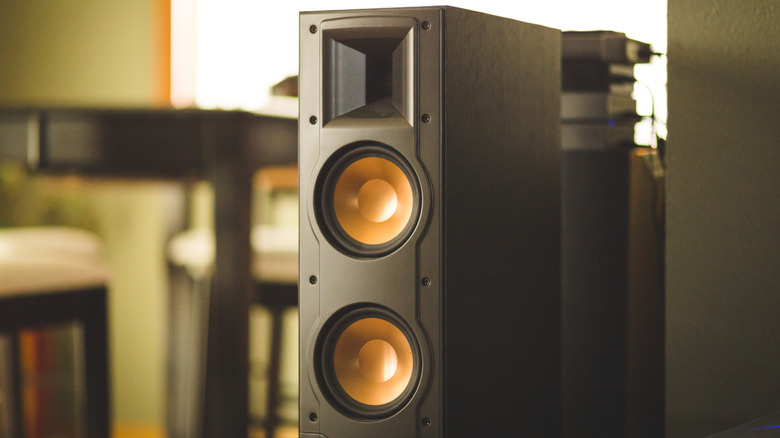
As with headphones, speakers first raise the question of wireless vs. wired. Wireless speakers, just like wireless headphones, need to be equipped with a whole gamut of features to function, which adds complexity and points of failure. Meanwhile, wired speakers are just the speaker drivers in the casing, and some padding in between. This makes them more durable.
But the situation is a bit more complicated here. In home theater or HiFi setups, speakers aren't plugged directly into a computer or phone, but into amplifiers. Supplying too much or too little power is a common amplifier mistake that could be killing your speakers. The materials used are also critical here. Headphone drivers are small, so there isn't much force produced. But for a speaker, especially a proper loudspeaker, the cones and the tweeters are subject to much larger vibrations. Poor quality materials will make these components warp and twist. The casing or the audio coil itself can break under pressure.
This is why picking a good brand is essential if you want speakers that last. Prestigious audio companies like Klipsch and JBL are known for their impeccably built speakers that can last indefinitely, partly because of the quality construction, and partly because of the ecosystem of replacement parts that ensures minor issues can be fixed without discarding the speaker.
Amplifiers
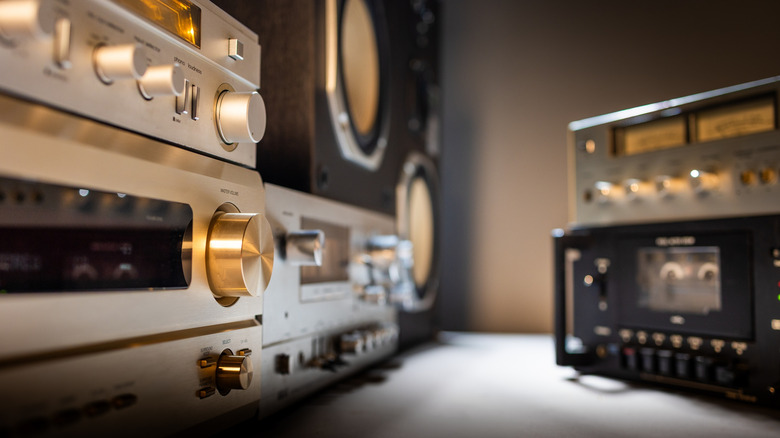
You might be sensing a theme here, and you are right: Audio equipment tends to last much longer than most other electronics because it is engineered that way. Take amplifiers, for example. Most leading audio brands don't even release new amplifiers frequently, waiting years before coming out with a new model. This means that customers are expected to use the same amplifier for at least a decade, so every model has to be built to last.
It isn't like the amplifier is a simple device. It is an active piece of equipment that modifies incoming electrical signals and increases their amplitude without changing the waveform. In less scientific terms, it amplifies the audio signal's strength without changing its characteristics. This technology started with vacuum tubes, which, despite their complexity, are surprisingly robust. The good quality tubes last around 10,000 hours, which is around 10 years of normal usage, while the other components last even longer, so you can replace the tubes and keep going.
The newer solid-state amps are even more durable, with a lifespan of 30 years for the premium options. This longevity holds true even with the modern AV receiver, which combines the functions of an amplifier with the role of integrating all the audio and video streams of a home entertainment system. This is clearly more complicated than amplifying a single audio channel, but stereo receivers are among the audio gadgets that can last decades.
Gaming consoles
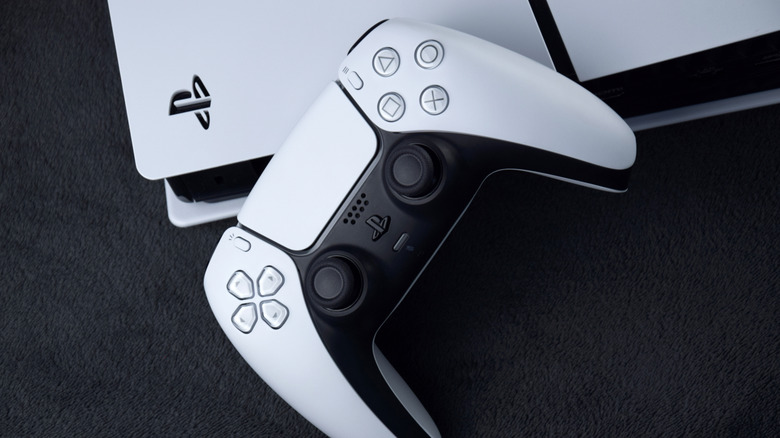
Gaming consoles are probably not what most people think when they consider electronics with longevity. On the surface, gaming may seem to follow the same business model as smartphones, with companies replacing their own flagships with newer versions of the same console. But there are key differences. The console business model doesn't profit from the hardware itself, but from the games released on it. Called the razor-blade model, this approach sells the hardware at parity or even at a loss to build market presence, with income generated by licensing fees for games that release on it.
This means they are incentivized to create consoles that last, with quality hardware that can run the widest spread of games without struggling. The rise of subscription-based plans for accessing game libraries has only emphasized this. And the results are clear. The PlayStation 3 and the Xbox 360 had a lifespan of 11 years, easily beating even the best modern smartphone.
What's more, they were usable well past that point, and any games you already owned were playable on this older hardware. You see a similar trend with Nintendo: the 3DS lasted 9 years before the Nintendo Switch superseded it, and owners say the Switch can easily last 10 years. Of course, each console's next generation launches before that (around every seven years), but you can enjoy your console for a couple more years before upgrading.
Cameras
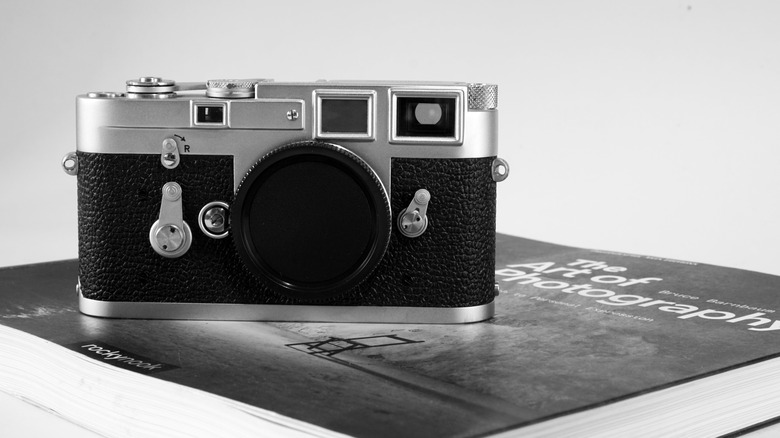
Smartphone cameras have made standard cameras mostly obsolete. For most users, it makes more sense to buy a more expensive smartphone than to invest in a proper camera. But the humble digital camera lasts much longer than a modern smartphone. Even old film cameras exhibit this longevity, lasting a whole lifetime when well maintained. The reason for this is the simplicity of cameras. The magic of taking photos does not involve many moving parts, apart from the mechanical shutter. The lens, the body of the camera, the basic software operating them – these are not components that degrade easily.
As a result, a quality camera from one of the leading brands will last 10 to 20 years with careful handling. They can actually last even longer, but that depends on the build quality and the possibility of repairs. While a camera may have few mechanical parts, it does have some, and replacing them is not an easy task. For older analog cameras, people often fabricated replacement parts. But how long will your old digital camera last before needing repairs? And are those repairs even possible?
The answer depends on the company. Brands like Leica are especially known for their longevity, partly due to durable build quality and repairability, with the brand itself servicing cameras every two years to ensure that the shutters remain functioning without issue. Hasselblad is another brand that can be repaired as long as parts are available, making it long-lived.
Scientific calculator
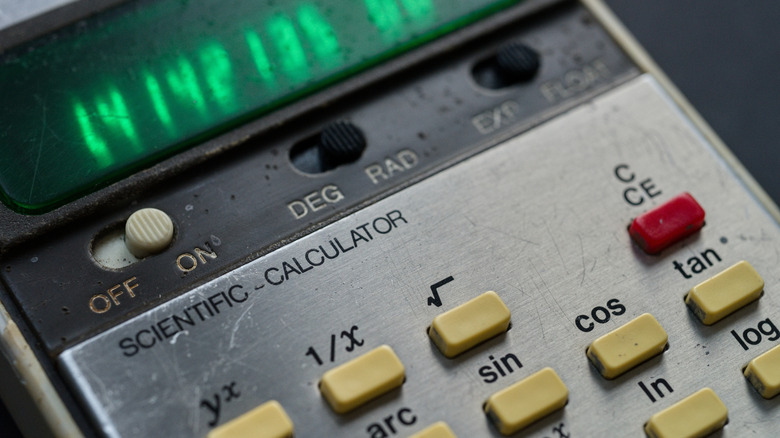
Calculators, in some ways, are the predecessors to the modern computer, and hence to smartphones. After all, the original task of the computer was to compute, and before we had semiconductors, this task fell to bulky and complicated calculators. The advent of semiconductors, and then the microprocessor, heralded an age of electronics that could have its entire processing circuitry on one chip, and the first gadget where this showed its promise was the pocket calculator.
Armed with powerful microprocessors and small, rechargeable batteries, pocket calculators made the technology accessible to the masses, being cheap enough and handy enough to be bought and used by anyone. But that wasn't the end of it. The circuitry got even smaller, and with the introduction of LCD screens (later LEDs), even calculator watches became a thing. The low energy consumption of these displays meant these calculators could last for years, as they produced little heat and put little strain on the electronics. This was also why solar panels took over calculators (and not much else).
This longevity was further reinforced with the scientific calculators designed specifically for professional scientists and engineers in the field, who needed a device for complex calculations, and sometimes graphing functions, with the durability to survive any environment. Casio made a name for itself in this niche by offering durable scientific calculators that could (and have) last a person through student life, a professional career, and beyond.
Mechanical keyboard
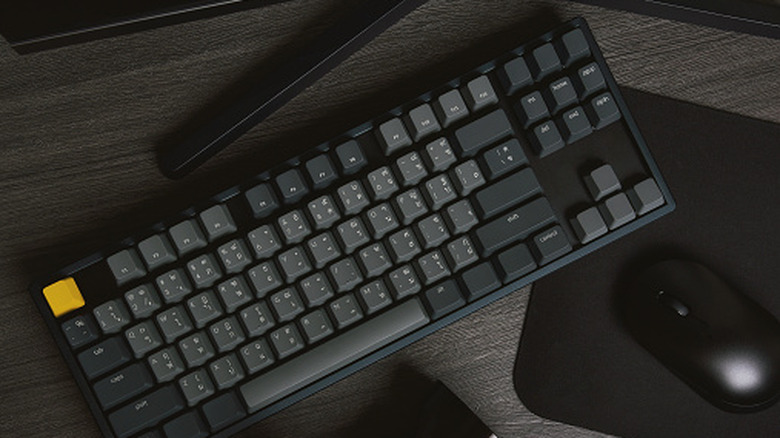
Having keyboards on a list of durable electronics? Isn't that an oxymoron? After all, keyboards are notoriously fickle. On paper, your typical membrane keyboard (which encompasses most office keyboards you can buy) is supposed to last a couple of years, which is already short. In practice, their lifespan is even shorter, as some keys die out long before the rest of the board, forcing you to replace the whole thing.
Enter the mechanical keyboard. It is a keyboard that uses electrical switches for each of the keys instead of a common rubber sheet. These switches are rated for tens of millions of keystrokes, allowing them to last much longer than a membrane keyboard, which means a theoretical life of 5 to 15 years. Practically, more factors come into play, from physical damage to the condition of the board's PCB, aside from the usual scenario of frequently used keys dying first.
With a good brand, even these issues can be alleviated. A brand like Keychron, for example, uses an aluminum chassis instead of plastic, making the board practically immortal. Individual switches can be replaced without changing the board (this isn't brand-specific), which means dead keys are not a game-ender. You can even choose a model with magnetic hall-effect switches to eliminate physical wear and tear, giving you a keyboard that could easily last longer than your computer.